How to Prevent Spam Text Messages: 8 Simple Habits to Follow
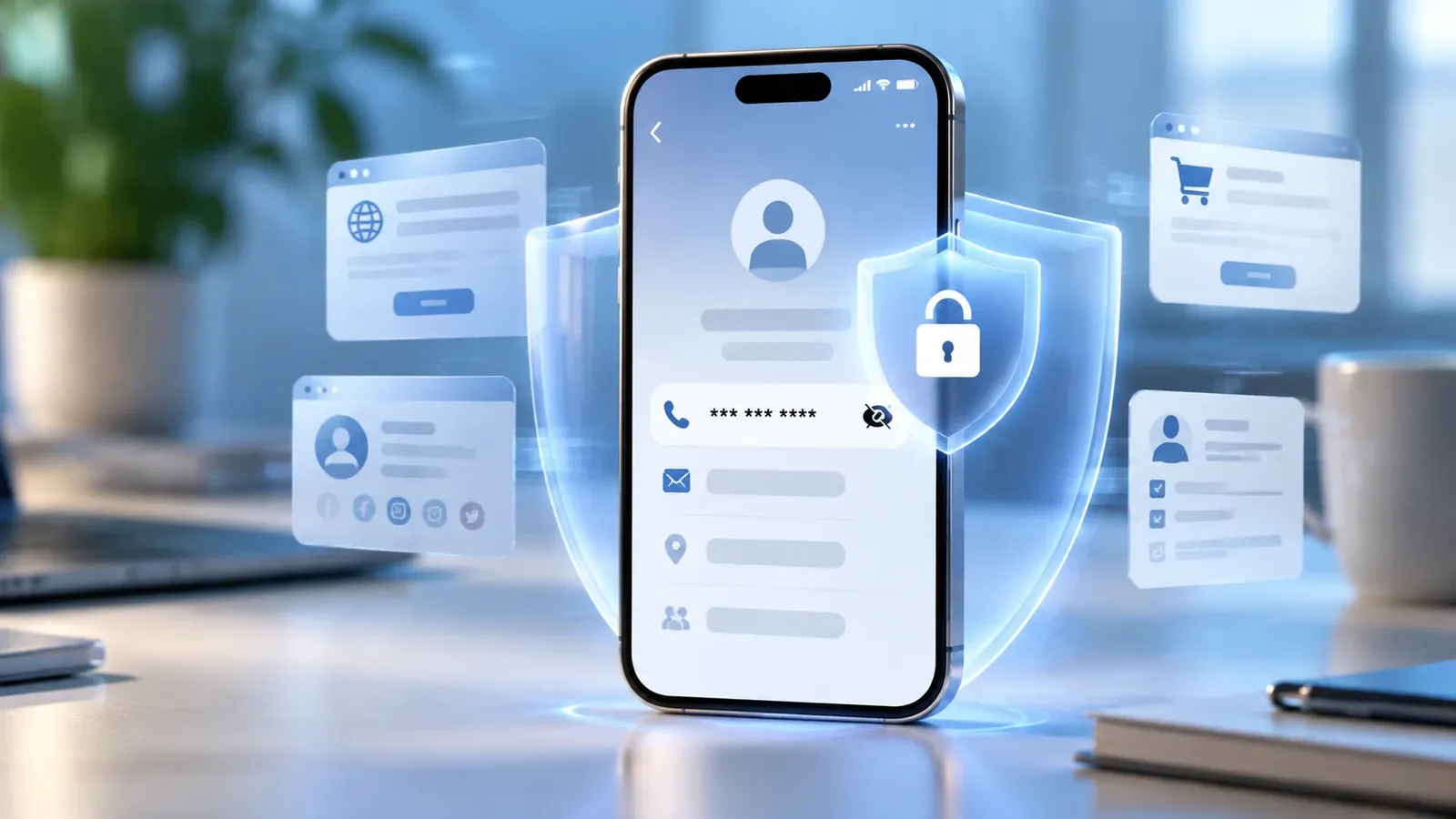
Long before a spam text ever reaches your phone, your number has usually already changed hands more than once. The Identity Theft Resource Center tracked 3,322 data compromises in 2025 in its most recent annual report, a new all-time record and a 79% jump over the past five years. Phone numbers exposed in breaches like these often end up feeding directly into the spam campaigns that show up on your phone months or even years later.
Spam texts often start long before the message ever appears on your screen. Scammers and marketers collect numbers, build automated campaigns, and test which numbers are active before a single message gets sent. No method can eliminate every spam text completely, but learning how to prevent spam texts through a handful of everyday habits can meaningfully reduce how much of it reaches you.
Why Do People Receive So Many Spam Text Messages?
Phone numbers become spam targets through a fairly small set of recurring sources. The most common include:
- Data breaches that expose phone numbers alongside other personal details.
- Publicly available contact information listed on websites, directories, or profiles.
- Online forms and registrations where a number was entered once and later resold.
- Marketing databases that buy, sell, and trade contact lists.
- Responding to previous spam messages, which confirms a number is active and worth targeting again.
Scammers and marketers frequently rely on automated systems capable of sending thousands of messages at once, which is part of why spam volume can feel constant rather than occasional. Some of these messages are simple advertising, but spam texts are also commonly used as the first step in a larger phishing attack.
Understanding where these messages actually come from is the first real step toward being able to prevent spam texts rather than just reacting to them one at a time.
8 Simple Habits to Prevent Spam Text Messages
Learning how to prevent spam texts entirely is not realistic, but these eight habits consistently reduce how much of it reaches your phone in the first place.
1. Be Careful Where You Share Your Phone Number
Every online form, giveaway, survey, or account signup is a potential point of exposure. Before entering your number anywhere, it helps to run through a few quick checks:
- Confirm whether a phone number is actually required to complete the signup.
- Review the site's privacy policy for how contact information gets used or shared.
- Avoid listing your number on public profiles unless truly necessary.
- Use an alternative contact method, such as email, when one is offered.
2. Avoid Responding to Suspicious Text Messages
Replying to a suspicious text, even briefly, confirms that your number is active and monitored. Common mistakes include replying to unknown senders, asking who they are, and clicking an "unsubscribe" link inside a suspicious message.
- Quick Tip: Legitimate companies almost always offer an official unsubscribe option through a trusted channel, such as their app or account settings, rather than a link buried in a random text.

3. Do Not Click Links in Unexpected Texts
Many spam texts are built to lead you toward a fake login page, a fraudulent payment form, or a malware download disguised as something routine. Common examples include fake delivery updates, bank alerts, toll payment messages, and prize notifications, following the same tactics covered in how smishing scams disguise malicious links in ordinary texts.
Opening the official app or website directly, rather than tapping the link in the text, avoids this risk entirely regardless of how convincing the message looks.
4. Use Spam Filters and Message Protection Tools
Built-in phone filters and dedicated protection tools identify suspicious messages using several overlapping signals: known spam numbers, user reports, recurring message patterns, and flagged links. Relying on these tools is one of the most effective ways to prevent spam texts, since it reduces how much manual judgment you need to apply to every single message that arrives.
Sync.me's SMS protection helps identify suspicious communication and flags risky interactions before you engage with them, adding a layer of detection that works alongside your own judgment rather than replacing it. It's available on both iPhone and Android.
5. Keep Your Phone Number Private Online
Public phone numbers naturally attract more spam, simply because they are easier for automated tools to collect. Numbers frequently end up exposed through social media profiles, marketplace listings, public directories, and business pages.
Limiting visibility where possible, even something as simple as removing your number from a public social profile, measurably reduces how often it gets scraped and added to a new list.

6. Be Selective With Apps and Online Services
Some apps request a phone number for marketing purposes or account features that are not strictly necessary. Reviewing app permissions, checking privacy settings, and avoiding unfamiliar services that demand unnecessary personal details all reduce how widely your number circulates.
Every additional service holding your number is another potential source of future spam, so reducing data sharing upfront pays off well beyond the moment you sign up.
7. Report and Block Spam Messages
Reporting spam texts helps improve detection systems for everyone, not just for you individually. A few concrete steps make this effective, and they form a core part of how to prevent spam texts from the same sender from showing up again:
- Block repeat senders once a number is confirmed spam.
- Report suspicious texts through your carrier or messaging app, often by forwarding to 7726.
- Remove the message from your inbox after reporting it.
Blocking alone will not stop a campaign that constantly rotates through new numbers, similar to the pattern seen in spam calls from unfamiliar or international numbers, which is exactly why reporting matters just as much as blocking.

8. Protect Your Number After a Data Leak
A leaked phone number typically leads to a noticeable increase in spam attempts within a fairly short window. If you learn your number was part of a breach, it helps to be extra cautious with unexpected messages, change passwords on important accounts, review your account security settings, and watch for follow-up scam calls in addition to texts.
- Note: Leaked numbers are frequently used in coordinated spam and phishing campaigns rather than isolated attempts, so one unusual message after a breach is rarely the only one to expect.
8 Habits at a Glance
The table below summarizes each habit covered in this guide, since a quick scan is often enough to remember what actually works to prevent spam text messages day to day.

How Sync.me Helps Prevent Spam-Related Risks
Spam texts and scam calls frequently work together, with one often following the other once a scammer confirms a number is active. Sync.me's caller ID and spam protection help identify unknown callers, recognize suspicious numbers, and detect spam and scam communication patterns before you decide whether to answer or respond.
This context helps you make informed decisions in the moment, whether that means answering, ignoring, blocking, or verifying through another channel. Recognizing typical smishing and vishing tactics rounds out the picture, since text and call scams frequently reuse the same scripts.
Caller identification works best as part of a broader spam prevention strategy rather than a standalone fix, alongside knowing how to answer spam calls without giving anything away when a call does get through.
Small Decisions, Compounding Protection
Preventing spam texts is mainly about reducing exposure and building safer digital habits, not finding one setting that solves the problem permanently. Every habit in this guide chips away at a different point where your number could otherwise end up on a new list.
Small privacy decisions, like which forms actually need your number or whether to click an unfamiliar link, add up significantly over time. None of them guarantee a spam-free inbox, but together they meaningfully shrink how much of it ever reaches you. Preventing spam texts for good is not realistic, but getting close to it certainly is.
Want an extra layer of protection against spam texts and suspicious calls?
Explore Sync.me's SMS protection and caller ID to help identify suspicious communication before it becomes a problem.
Frequently Asked Questions
Can sharing my phone number with a legitimate company still lead to spam?
Yes, even legitimate companies sometimes sell or share contact data with marketing partners, and any company can experience a data breach that exposes your number. Reviewing privacy policies before sharing your number reduces this risk but cannot eliminate it entirely.
How do scammers know whether a phone number is active?
Scammers often send an initial test message and watch for any response, including replies, clicked links, or "STOP" texts, all of which confirm the number is active and worth targeting further. Simply not responding is one of the most effective ways to avoid confirming this.
Should I use a secondary number for online registrations?
A secondary number can help separate spam-prone signups from your main line, and it is one of the more effective tactics for preventing spam texts on the number you actually rely on daily. It works best for lower-stakes registrations rather than accounts you plan to rely on long-term, since a secondary number comes with its own trade-offs around losing access or account recovery.
Can spam texts increase after my phone number appears in a data breach?
Yes, a breach involving your phone number frequently leads to a noticeable increase in spam and scam attempts within weeks. This is a good time to be especially cautious with unexpected messages and to review your account security settings.
What should I do if spam texts start mentioning my personal information?
Treat any personalized spam text with extra caution, since it likely means your information came from a specific breach or data source. Avoid confirming any of the details mentioned, and consider checking whether your information has appeared in known data breaches.
Publicaciones relacionadas
How to Block Spam Texts Without Missing Important Messages
Learn how to block spam texts while keeping important messages. Discover smarter filtering, selective blocking, and tips to avoid missing real alerts.
8 Common Scam Texts Everyone Should Learn to Recognize
Learn about common scam texts, including fake delivery alerts, bank warnings, job offers, and more. Discover warning signs and safe ways to respond.