8 Common Scam Texts Everyone Should Learn to Recognize
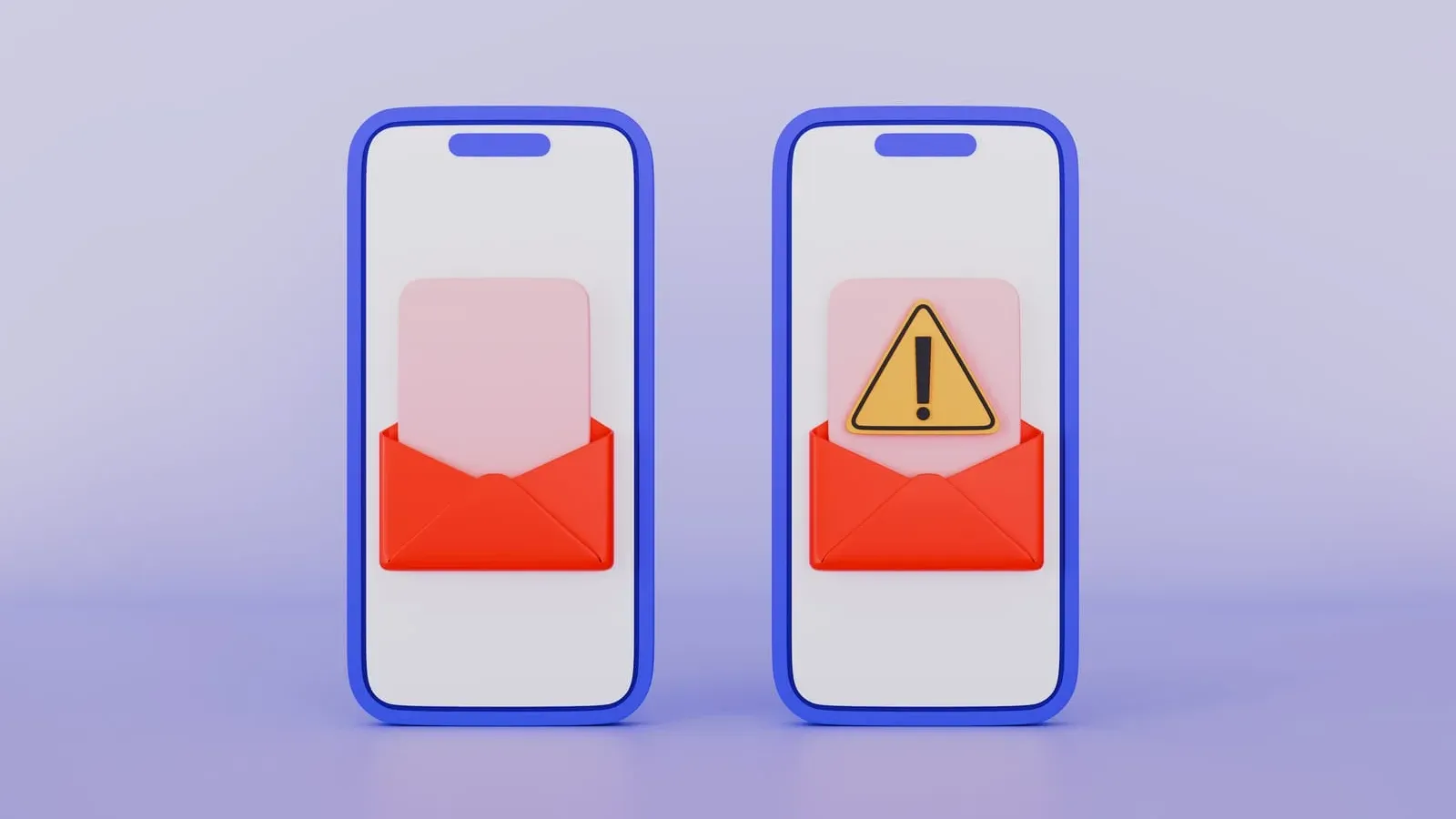
Scam texts lost their novelty years ago, but they clearly have not lost their effectiveness. The FTC's April 2025 spotlight on text scams found that consumers reported losing $470 million to scams that started with a text message in 2024 alone, more than five times what was reported in 2020. Fake package delivery alerts topped the list of complaints, followed closely by bogus job offers and fraudulent bank warnings.
Scam texts often look like everyday messages from banks, delivery companies, government agencies, or even an unknown person starting a casual conversation. Many of these common text message scams succeed not because they are especially clever, but because they create urgency, curiosity, or fear before anyone stops to verify what they are looking at. The tactics overlap closely with phone-based smishing and vishing scams, which often reuse the same scripts across text and voice.
This guide breaks down eight of the most common scam texts making the rounds right now, what each one is trying to get from you, and how to respond safely.
8 Common Scam Texts You Should Learn to Recognize
Recognizing common scam texts gets much easier once you know the patterns they tend to follow. Each of the eight types below shows up constantly across phones, regardless of carrier or device.
1. Fake Package Delivery Texts
A typical message claims your package could not be delivered, asks you to confirm your address, or requests a small delivery fee to release the shipment. Scammers behind these common scam messages want payment details, personal information, or access through a fake tracking page disguised as a courier's site.
Watch for delivery notices you were not expecting, links that look slightly off, and requests for payment outside an official app or website.
- An unexpected delivery notice for something you never ordered.
- A link using a shortened URL or an unfamiliar domain.
- A request to pay a fee through a page that is not the retailer's own site.
Safe response: Check your order status directly through the retailer or delivery company's official app or website instead of tapping the link in the text.

2. Bank and Account Security Alerts
These messages claim a suspicious login attempt, a blocked account, or an unauthorized transaction requires your immediate attention. The goal behind this version of common text message scams is almost always the same: login credentials, card details, or a one-time verification code.
Urgent account warnings, requests to "confirm your identity," and links leading to a fake banking page are the clearest signals something is wrong. Real banks rarely ask you to verify sensitive details through a text link.
Safe response: Open your banking app directly and check for real alerts there instead of using any link included in the text.
3. Toll, Parking, and Fine Scams
Fake unpaid toll or parking fine messages work because the amounts involved are usually small, which makes people less suspicious than they would be over a larger sum. Fear of extra fees or penalties pushes many people to pay before checking whether the message is real.
Immediate payment demands, unfamiliar payment websites, and messages arriving from numbers with no obvious connection to a toll authority are all warning signs worth taking seriously.
Safe response: Check outstanding balances directly through your state or region's official toll or transportation website, never through a link in a text.
4. Fake Job and Employment Texts
Remote job offers, easy money promises, and unsolicited recruitment messages have become one of the more common scam texts in recent years, often referred to as task scams. These messages may ask for personal information, banking details, or payment for "training materials" or equipment before any real job exists.
- An unsolicited offer for a job you never applied to.
- Pay that sounds unrealistic for the amount of work described.
- Pressure to move the conversation to another messaging app quickly.
Safe response: Research the company independently and never pay money upfront for a job that has not been formally offered through a verified channel.
5. Prize, Giveaway, and Gift Card Scams
These texts claim you have won money, a gift card, or a free product, usually from a company or contest you never entered. Like other common scam messages on this list, the goal is to collect personal details, charge a fake "processing fee," or lead you to a malicious website designed to harvest information.
Safe response: Treat any "you have been selected" message from an unknown sender as a scam, especially if it references a contest you do not remember entering.
6. Wrong Number Conversation Scams
These scams often start innocently, with a message like "Sorry, I think I texted the wrong person," followed by casual, friendly conversation. Over time, the scammer builds trust, tries to move the conversation to another app, and eventually introduces an investment opportunity or financial request.
- A stranger who becomes unusually friendly, fast.
- Vague or evasive answers to direct questions.
- Personal questions that feel out of place for a first conversation.
Note: This pattern, sometimes called "pig butchering," has led to some of the largest individual losses tied to text-based scams, since the relationship can develop over weeks before money ever comes up.
Safe response: Stop responding once a supposed wrong number starts building a personal relationship, and never move financial conversations to an unfamiliar app at a stranger's request.

7. Government and Official Notice Scams
These messages impersonate tax agencies, government services, or legal organizations, often threatening fines, deadlines, or account suspension. Real government agencies do not usually text demands for immediate payment or personal information, and most legitimate correspondence arrives by mail first.
Threatening language, tight deadlines, and requests for sensitive personal details are the biggest red flags in this category of common scam messages.
Safe response: Contact the agency directly through its official website or phone number rather than responding to the text or calling any number it includes.
8. Fake Customer Support Texts
These messages pretend to come from streaming services, online marketplaces, or technology companies, usually about a billing issue or account problem. Scammers want your account password, remote access to your device, or payment information.
- An unexpected support message you did not request.
- A request to call a specific number instead of the company's listed support line.
- Instructions to install remote-access software to "fix" the issue.
Safe response: Contact the company through its official app or verified support page, never through a number or link supplied in the text itself.

Why Some Scam Texts Are Harder to Catch Than Others
Not every scam text fits neatly into the patterns above, and some are noticeably harder to spot than others. Recognizing why helps explain why even careful people occasionally get fooled.
- Personalized details lower your guard. Scammers often already know your name, city, or the services you use from data breaches or public records, which makes a message feel more legitimate than it is.
- Spoofed numbers hide the real sender. A text appearing to come from a short code or familiar area code does not confirm who actually sent it.
- Some scams escalate to phone calls. Voice cloning technology now lets scammers follow up a convincing text with an equally convincing call.
- International numbers can look domestic. Messages that seem to come from unfamiliar or foreign numbers are sometimes routed to look local, which removes an easy warning sign.
How Sync.me Helps Identify Scam-Related Calls
Many text scams do not stay in text form for long. A message that goes unanswered is often followed by a phone call from the same scammer, especially in smishing campaigns designed to escalate quickly once a text alone fails to get a response.
Sync.me's caller ID and spam protection helps identify unknown callers, detect spam and scam call patterns, and give you more context before you ever pick up. That extra context helps you decide whether to answer, ignore, block, or verify a call tied to a scam that may have started as a text.
Quick Tip: Knowing how to answer spam calls without giving anything away rounds out your protection for the moments when a scam does make it to a phone call.
Caller identification works as one part of a broader approach to safer communication, alongside recognizing the common scam texts covered in this guide.
The Pattern Behind Every Entry on This List
Scam texts follow predictable patterns: urgency, impersonation, fake rewards, and requests for information you would never normally hand over by text. Once you can name the pattern behind these common text message scams, the specific wording of any individual message matters much less.
Recognizing common scam texts before reacting to them is what actually keeps people safe, far more than memorizing every possible phrase a scammer might use. The eight categories in this guide cover the overwhelming majority of what shows up in a typical inbox.
Want an easy way to check unfamiliar callers before you answer?
Get Sync.me's caller ID app to identify unknown numbers and block known scam callers automatically.
Frequently Asked Questions
Can opening a scam text message infect my phone?
Simply opening or reading a text is generally safe, but tapping a link or downloading an attachment inside it can lead to malware or a fake login page. The risk comes from interacting with the content, not from the message arriving in your inbox.
Why do scammers send texts from random or international numbers?
Scammers frequently use spoofed or international numbers to avoid detection and make it harder for carriers to block them. This is also why the same scam text can appear to come from a completely different number each time it is sent.
How do scammers know my name or the services I use?
Much of this information comes from past data breaches, public records, or details people have shared publicly online. A message using your real name is not proof of legitimacy, since that information is often easy for scammers to obtain.
Should I reply "STOP" to an unknown promotional text?
Only reply "STOP" to businesses you recognize and have actually signed up with, since replying to an unknown scam number confirms your number is active and being read. For messages from unfamiliar senders, it is safer to block and report the number instead.
Can a scam text appear to come from a saved contact?
Yes, if a contact's number has been spoofed or their device has been compromised, a scam text can appear to come from someone already in your phone. Unusual requests or links from a normally trusted contact are still worth verifying through another channel.
פוסטים קשורים
10 Common Phone Scams That Still Fool Thousands Every Week
Learn the 10 most common phone scams targeting people right now. Understand how each one works and how to protect yourself before you pick up.
What is Smishing? Everything You Need to Know About Text Message Scams
What is smishing? Learn how text message scams work, how to identify dangerous links, and the immediate steps to take if you accidentally click one.