10 Common Phone Scams That Still Fool Thousands Every Week
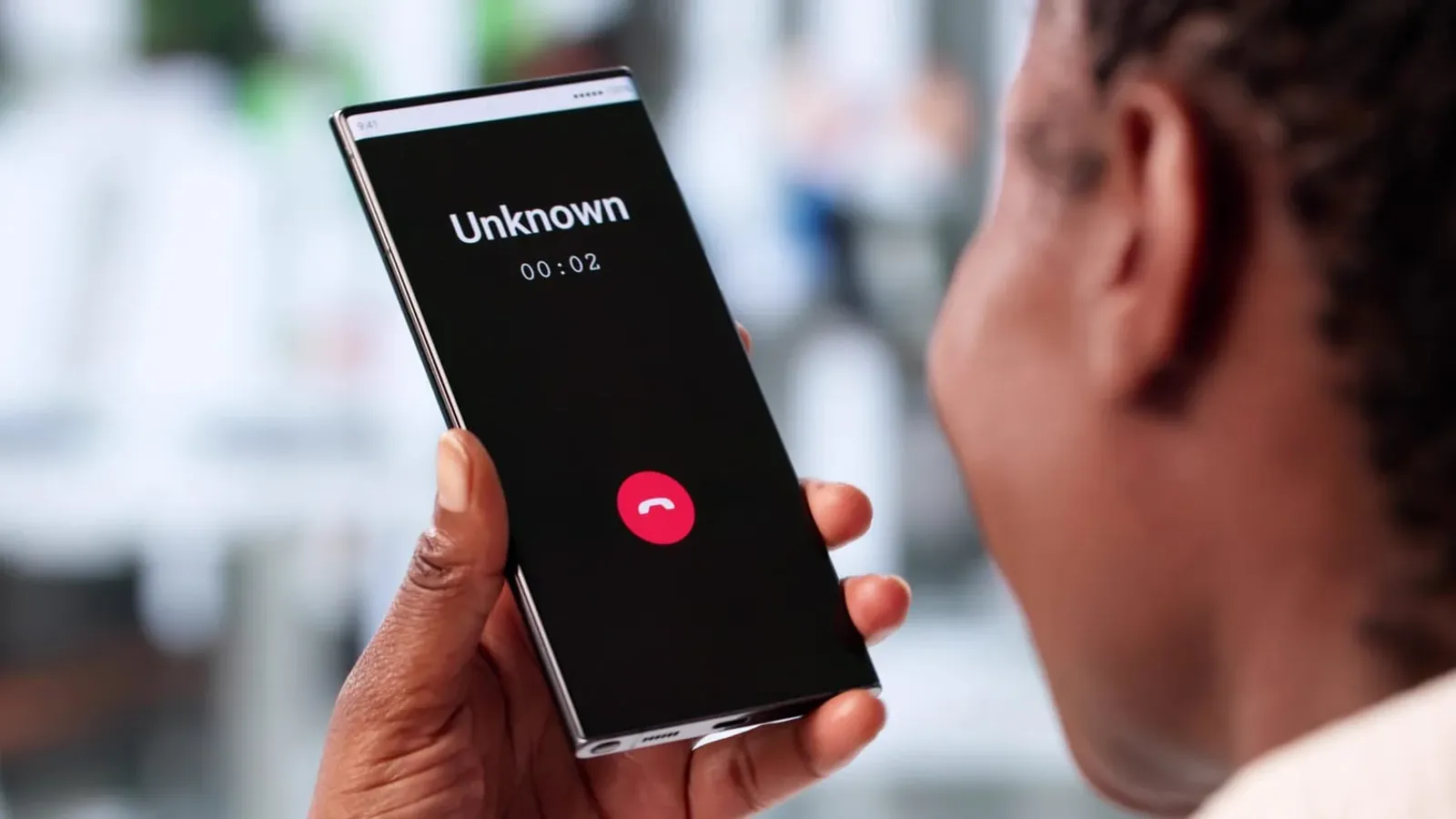
Modern phone scams don't announce themselves. They sound like your bank, your delivery driver, a panicked family member, or a government official with urgent news. According to FTC data released in March 2025, Americans reported losing $12.5 billion to fraud in 2024, a 25% increase over the prior year, with imposter scams leading as the most commonly reported category.
The reason scams keep working isn't that people are careless. It's that the scripts are engineered for exactly the moments when rational thinking is hardest: when you're busy, worried, or caught off guard. Understanding the different types of phone scams and recognizing what they have in common is more protective than any single blocking tool on its own.
What Are Phone Scams and Why Do They Still Work?
Phone scams are fraudulent calls designed to extract money, personal information, or access to accounts. They work because they exploit three consistent pressure points: urgency, trust, and confusion.
Urgency bypasses deliberate thinking. Trust is borrowed from institutions you already rely on, such as banks, government agencies, and courier companies. Confusion creates hesitation, and hesitation keeps you on the line. None of this requires technical sophistication. A convincing script and a spoofed number are enough to catch thousands of people off guard every single week.
How Do Scammers Trick People Over the Phone?
Scammers rely on scripts, impersonation, and emotional triggers rather than technical attacks.
The four most effective levers are:
- authority (claiming to represent an institution you trust)
- fear (threatening consequences if you don't act)
- urgency (eliminating time to think or verify)
- curiosity (prompting callbacks or engagement through vague or alarming messages).
Most phone scams use at least two of these simultaneously. The combination is what makes them effective even against people who consider themselves skeptical.
What Are the 10 Most Common Phone Scams Today?
1. Bank or Credit Card Fraud Scam
A caller claims to be from your bank's fraud department and warns you of suspicious activity on your account. They ask you to verify your card number, PIN, or a one-time security code to "protect" your funds.
Real banks never ask for PINs, full card numbers, or security codes over an inbound call. If this kind of call arrives, hang up and call the number on the back of your card directly. The sense of urgency is entirely manufactured.
2. Tech Support Scam
You receive a call from someone claiming to be from Microsoft, Apple, or a well-known antivirus company. They inform you that your device has been compromised and offer to fix it remotely, but only if you grant them access or pay a fee.
Legitimate tech companies do not make unsolicited calls about your device. Remote access, once granted, can expose everything on your computer. These scams are particularly effective because the caller sounds authoritative and uses technical language to establish credibility fast.
3. IRS or Tax Authority Scam
A caller identifies themselves as an IRS agent and claims you owe back taxes. They warn of immediate arrest, deportation, or license suspension unless you pay right now, usually by gift card or wire transfer.
The IRS contacts taxpayers by mail first, never by an unexpected phone call. No government agency will call and demand immediate payment, threaten arrest, or insist on gift card payments. Those three elements together are a reliable scam signature.
4. Delivery or Package Scam
You get a call claiming there's a problem with a delivery: a failed attempt, a customs fee, or a verification issue. You're asked to confirm your address, pay a small fee, or click a link to reschedule.
This type thrives on the fact that most people have active deliveries at any given time. The caller is betting on a match. If you're not expecting a specific package from a specific service, treat any unsolicited delivery call with skepticism and verify directly through the carrier's official website.
5. One-Ring (Wangiri) Scam
Your phone rings once and disconnects. The missed call notification creates curiosity. You call back, and you're connected to a premium-rate international number that charges high per-minute fees, often while you're placed on hold or hear a recorded message.
Area codes associated with Caribbean or international numbers can look deceptively similar to U.S. domestic codes. The rule is simple: if you don't recognize the number and there's no voicemail, don't call back.

6. Lottery or Prize Scam
You've won a prize, a sweepstakes, or a large cash sum. To claim it, you need to pay a processing fee, taxes, or a release charge upfront. The more you pay, the larger the "prize" becomes.
No legitimate lottery or sweepstakes requires advance payment to claim winnings. Even a former FBI Director was targeted by a version of this scam, illustrating how convincing the pitch can be. Any unsolicited call announcing you've won something you don't remember entering is a scam.
7. Job Offer or Recruitment Scam
A caller contacts you with an exciting job opportunity, often one that involves working remotely and handling payments or transferring funds. The role sounds easy and pays well.
These scams often recruit victims as unwitting money mules, moving stolen funds between accounts. The FTC reported that job and employment scam losses tripled between 2020 and 2024, reaching $501 million, making this one of the fastest-growing types of phone scams. Any job that involves receiving and forwarding money as a core task is fraudulent, regardless of how professional the offer sounds.
8. Charity Donation Scam
Following a disaster, crisis, or high-profile news event, callers solicit donations on behalf of a charity with a name that sounds legitimate. The money goes directly to the scammer.
The timing of these calls is deliberate. Scammers monitor the news cycle and deploy charity fraud campaigns within hours of major events. Before donating over the phone, independently verify the charity through resources like Charity Navigator and call the organization back using a number from their official website.
9. Family Emergency Scam
You receive a frantic call from someone claiming to be a grandchild, child, or close family member in crisis: arrested, injured, stranded abroad. They beg you to send money urgently and ask you not to tell other family members.
AI voice cloning now makes these calls more convincing than ever. A scammer needs only a few seconds of audio from social media to produce a voice that sounds like your family member. The defense is simple: hang up and call the person directly on a number you already have saved. If the story is real, they can be reached.
10. Subscription or Billing Scam
You receive a call notifying you of a charge on a subscription you may or may not have: a streaming service, antivirus software, or membership renewal. To cancel or dispute the charge, you're asked to provide payment details or press a number to speak with an agent.
The ambiguity is intentional. Most people have enough active subscriptions that a vague billing call creates just enough uncertainty to prompt engagement. Pressing any number or speaking with an "agent" escalates the call into an active extraction attempt. Instead, check your actual billing statements directly through the service's app or website.
How Can You Tell Different Types of Phone Scams Apart?
Look at the patterns rather than the content. Different scams use the same underlying mechanics regardless of their cover story.
Comparison: Common Phone Scam Patterns
While phone scams vary in their approach, each one is built around a specific hook and emotional trigger. Bank, IRS, and government impersonation scams use authority to create fear of consequences, ultimately pushing you toward immediate payment or handing over personal information. Tech support scams follow a similar pressure model — a fake technical alert triggers fear that your device is compromised, leading to a request for remote access or payment.
Delivery and subscription scams are subtler, using a familiar service reference to create mild confusion before asking for account confirmation or a small fee. Lottery and prize scams take the opposite emotional route, generating excitement and greed with a promise of reward, then requesting an upfront "processing" payment that never leads to a payout.
Family emergency scams are among the most manipulative — they exploit personal relationships and trigger love and panic to push for an urgent money transfer. One-ring or Wangiri scams rely on simple curiosity about a missed call, luring you into calling back a premium-rate line. Job offer scams appeal to hope and financial aspiration, eventually asking for personal data or a funds transfer. And fake charity scams time their calls around news events, using empathy and altruism to solicit donations to organizations that don't exist.
The shared red flags across all common phone scams: pressure to act before you can verify, requests for unusual payment methods (gift cards, wire transfers, cryptocurrency), and instructions to keep the call secret. Any one of these signals is enough to hang up.
What Are the Warning Signs That a Call Is a Scam?
Certain behaviors repeat across almost every type of phone scam, regardless of the cover story being used.
- Unsolicited contact about a problem you didn't know existed. Real institutions send notices before calling.
- Pressure to act immediately. Urgency that eliminates your ability to verify is a manufactured tactic.
- Requests for gift cards, wire transfers, or cryptocurrency. No legitimate business or agency accepts these for dispute resolution or debt settlement.
- Instructions to keep the conversation secret. Legitimate callers never ask you not to consult a family member or advisor.
- A caller ID that shows a familiar institution. Caller ID can be spoofed to display any number or name.

What Should You Do If You Suspect a Phone Scam?
Don't engage further and verify through independent channels. Staying on the line, even to argue or gather information, extends your exposure.
Step-by-Step: What to Do After a Suspicious Call
- Hang up immediately. There is no obligation to stay on the line. Mid-sentence is fine.
- Do not share any information. Even confirming your name or saying "yes" to a question can be recorded and misused.
- Verify through official channels. If the call claimed to be from your bank or a government agency, call back using the number on your statement, card, or the organization's official website.
- Block the number. This prevents repeat contact from the same line and takes under 10 seconds.
- Report the scam. File a report at ReportFraud.ftc.gov. Reports contribute to enforcement action and help protect other users from the same number.
Why Understanding Phone Scams Helps You Stay in Control
Scams rely on predictable reactions: panic, trust, curiosity, and urgency. Awareness disrupts all four.
Once you recognize that urgency is a tactic rather than a genuine signal, the pressure dissolves. Once you know that caller ID can be spoofed, you stop treating a familiar name on screen as a reason to lower your guard. The calls will keep coming, but what changes is how much power they hold over your response.
Staying informed doesn't just protect your money. It reduces the cognitive load of every unknown call, because you have a framework to evaluate what you're hearing rather than reacting to it.
Know who's calling before the scam has a chance to start
Download Sync.me free on Android or iPhone for real-time caller ID, spam detection, and AI-powered insights on every unknown number.
Frequently Asked Questions
What is the most common phone scam right now?
Imposter scams are the most commonly reported category according to FTC data for 2024, with government imposter scams alone accounting for $789 million in reported losses. These include callers pretending to be IRS agents, Social Security officials, bank fraud departments, and law enforcement. They are effective because they combine authority impersonation with high-stakes urgency.
How do phone scams get your number?
Scammers obtain numbers through data breaches, data broker databases, public listings online, random number generation by automated dialers, and from other scam networks that resell verified active numbers. Once your number circulates on one list, it tends to appear on others. Our full breakdown of [why you're getting so many spam calls] explains each source in detail.
Can you get scammed by saying yes on the phone?
Saying "yes" can be recorded and potentially used to falsely authorize charges, account changes, or service sign-ups in what's known as a cramming scam. The more immediate risk is that speaking at all confirms your number is active, which increases the likelihood of future targeting. If you answer an unfamiliar call and hear an immediate question, staying silent or hanging up is the safer response.
Can blocking numbers stop phone scams?
Blocking specific numbers prevents repeat calls from those lines, but scam operations use large rotating pools of numbers, including spoofed ones, so new numbers reach you regardless. Blocking is reactive: it addresses calls that have already arrived. Combining blocking with real-time caller ID detection, which flags suspicious numbers before you answer, is significantly more effective.
How do you protect elderly family members from phone scams?
The most effective approach combines conversation and tools. Talk with older family members about the most common phone scams and the tactics scammers use, particularly urgency, secrecy, and unusual payment requests. Establish a family code word or phrase they can use to verify the identity of anyone claiming to be a relative in distress. Help them install a caller ID app that flags suspicious numbers in real time.
פוסטים קשורים
How to Find the Owner of a Phone Number: 7 Proven Methods
Learn how to find the owner of a phone number using 7 proven, legal methods. Compare free and paid lookup tools to identify unknown callers safely.
Top 10 Ways to Check Online Phone Number
Learn effective ways to check online phone number sources and identify unknown callers. Protect yourself from scams and verify business contacts.