Spam Call Blocker: How to Block Spam Numbers and Stop Robocalls
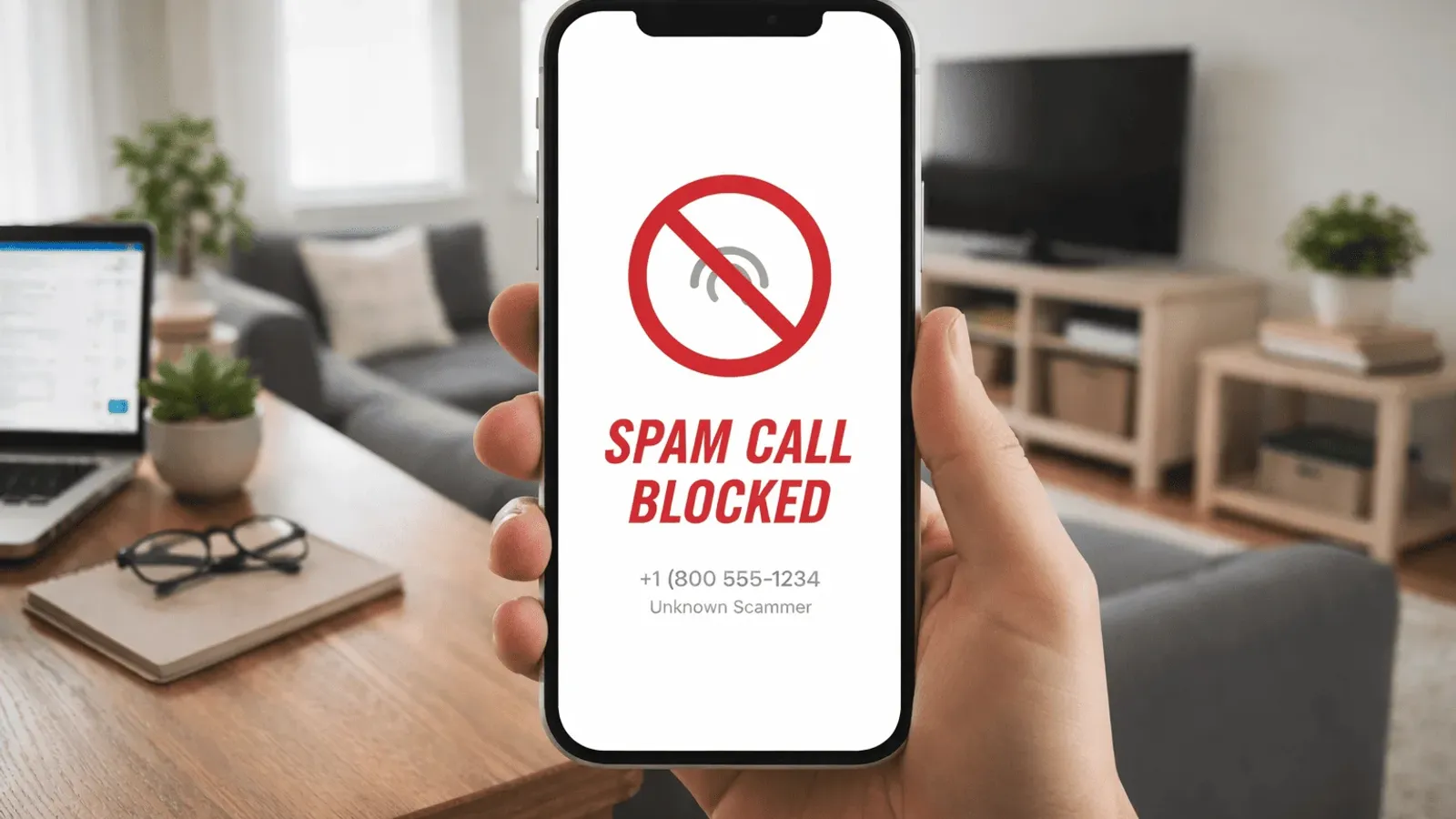
Spam calls have become one of the most persistent annoyances for smartphone users. Automated robocalls, aggressive telemarketing campaigns, and fraud attempts interrupt daily life and sometimes expose people to serious security risks.
A spam call blocker helps reduce these disruptions by identifying suspicious numbers and preventing them from reaching the user. Modern spam call blocking technologies combine large caller databases, behavioral analysis, and user reports to detect unwanted calls automatically.
Understanding how these systems work makes it easier to block spam numbers, reduce unwanted interruptions, and maintain better control over incoming calls.
Why Spam Calls Are Increasing
Spam calls have grown significantly over the last decade. Advances in automated dialing systems and global communication networks allow organizations to place thousands of calls every hour.
Several technological trends contribute to this increase.
Robocall Technology
Robocalls are automated phone calls that use prerecorded messages to reach large audiences. These systems can dial thousands of numbers simultaneously without human operators.
Regulators frequently highlight the scale of this problem. The Federal Communications Commission explains that robocall technology allows organizations and scammers to reach millions of people quickly, making automated calls one of the most common sources of unwanted phone calls.
Because robocalls are inexpensive and highly scalable, they remain one of the main drivers behind spam calls worldwide.
Phone Number Spoofing
Phone number spoofing is another major factor behind spam calls. Spoofing allows callers to disguise their real number and display a different number on the recipient’s phone.
Often, these numbers appear local or resemble familiar area codes. This tactic increases the likelihood that someone will answer the call.
Spoofed numbers make spam calls more difficult to detect, which is why modern spam call blocking systems rely on behavioral analysis rather than simply checking the number itself.
Global Telemarketing Systems
Large-scale telemarketing operations also contribute to the rise in spam calls. Global call centers use automated dialing systems to contact massive lists of phone numbers.
These campaigns can generate thousands of calls per hour, which means many users receive repeated calls from unfamiliar numbers.
Spam call blockers help reduce the impact of these campaigns by filtering suspicious calls before they reach the user.

What a Spam Call Blocker Does
A spam call blocker analyzes incoming calls and determines whether they should be allowed, flagged, or blocked. These systems rely on several detection methods working together.
Detecting Known Spam Numbers
Most spam call blockers compare incoming numbers with large databases of reported spam callers. When a number appears frequently in spam reports, the system may flag the call as suspicious.
Many tools combine caller identification with spam filtering technologies. Systems like a spam call blocker analyze caller databases, community reports, and call patterns to identify suspicious numbers and prevent unwanted calls.
Because these databases are constantly updated, spam detection improves over time as more users report suspicious calls.
Blocking Suspicious Calls Automatically
Modern spam call blocking systems do more than simply match numbers against lists. They analyze call behavior in real time.
For example, the system may detect patterns such as:
- Large volumes of outgoing calls from the same number
- Automated dialing behavior
- Repeated calls to many different recipients
- Numbers frequently reported by other users
If these signals appear together, the system may block the call automatically before it reaches the user.
Methods to Block Spam Numbers
There are several ways users can block spam numbers, and combining multiple strategies usually provides the best protection.
Manual Number Blocking
Manual blocking is the simplest method. When a suspicious number appears in the call history, it can be added to the phone’s block list.
Once blocked, that number will no longer be able to call or send messages to the device.
Manual blocking works well for stopping repeated calls from a specific number, but may not prevent new spam numbers from appearing.
Automatic Spam Filtering
Automatic spam filtering provides stronger protection because it analyzes calls in real time.
Spam filters evaluate incoming numbers using several signals:
- Caller reputation databases
- Frequency of outgoing calls
- Previous spam reports
- Suspicious dialing behavior
If the system identifies a number as suspicious, the call may be automatically blocked or labeled as spam.
Third-Party Call Blocking Apps
Third-party applications provide additional protection by expanding spam detection capabilities.
These apps often include features such as:
- Global spam number databases
- Community reporting systems
- Caller identification tools
- Automatic spam filtering
Because these services collect reports from large numbers of users, they can often identify new spam campaigns quickly.

Differences Between Blocking and Detection
Although spam detection and spam blocking are often discussed together, they perform different functions.
Understanding the difference helps users manage incoming calls more effectively.
Warning vs Automatic Blocking
Spam detection systems focus on identifying suspicious calls and warning the user. The phone may display messages such as:
- “Spam risk”
- “Suspected spam caller”
- “Unknown caller”
This allows the user to decide whether to answer.
A spam call blocker, on the other hand, stops suspicious calls automatically. Instead of showing a warning, the call may be rejected before the phone rings.
Managing False Positives
Sometimes legitimate numbers may be mistakenly flagged as spam. This situation is known as a false positive.
Most spam call blocking systems allow users to manage these cases by:
- Marking numbers as safe
- Removing numbers from block lists
- Reporting incorrect spam detection
These adjustments help improve spam detection accuracy over time.
Tips for Better Spam Call Protection
Spam call blockers provide strong protection, but combining them with a few additional habits can significantly improve results. Small actions like updating spam databases, reporting suspicious numbers, and managing your phone’s privacy settings all contribute to more effective spam call blocking.
- One helpful step is regularly updating spam databases. Spam detection systems rely on constantly refreshed information about reported numbers. Frequent updates allow the system to recognize new spam campaigns faster. As these databases grow, spam call blocking tools become more accurate at identifying suspicious callers.
- Another important habit is reporting new spam numbers. When users report suspicious calls, the information is added to shared databases used by spam detection tools. These reports help identify patterns and improve detection systems over time, making it easier to block spam numbers in the future.
- It is also useful to avoid answering unknown numbers whenever possible. Many spam systems track which numbers are active. Answering suspicious calls may signal that the number is valid, which can lead to even more spam calls later.
- Enabling built-in spam filters on your phone can add another layer of protection. Most modern smartphones include features that automatically flag suspicious calls or warn users when a number has been reported as spam.
- Another effective practice is limiting where your phone number appears online. Publicly listing your number on websites, social media profiles, or online directories can increase the chances that it will be added to telemarketing lists or spam databases.
- Finally, blocking suspicious numbers immediately helps prevent repeated calls. If the same number continues calling without leaving a message, adding it to your phone’s block list can quickly stop further interruptions.
Using several of these strategies together—combined with a reliable spam call blocker—can significantly reduce unwanted calls and improve overall phone security.
Key Takeaways: How Spam Call Blockers Help Reduce Unwanted Calls
Spam calls continue to grow as robocall technology and spoofing techniques become more advanced. However, modern spam call blockers provide effective tools for managing these interruptions.
Spam call blocking systems rely on caller databases, user reports, and pattern analysis to identify suspicious numbers. By analyzing call behavior and previously reported numbers, these tools can block spam numbers before they reach the user.
While no technology can eliminate spam calls completely, combining spam filters, manual blocking, and reporting tools can significantly reduce unwanted calls. As detection technologies continue to improve, spam call blocking solutions will remain essential for protecting users from robocalls and phone scams.
Publicaciones relacionadas
How Spam Detection Helps Identify Suspicious Calls Before You Answer
Learn how spam detection works and how modern tools detect spam calls before you answer. Discover spam call types, warning signs, and ways to reduce unwanted calls.
How to Find the Owner of a Phone Number: 7 Proven Methods
Learn how to find the owner of a phone number using 7 proven, legal methods. Compare free and paid lookup tools to identify unknown callers safely.