How Phone Number Spoofing Works and Why It's Difficult to Detect
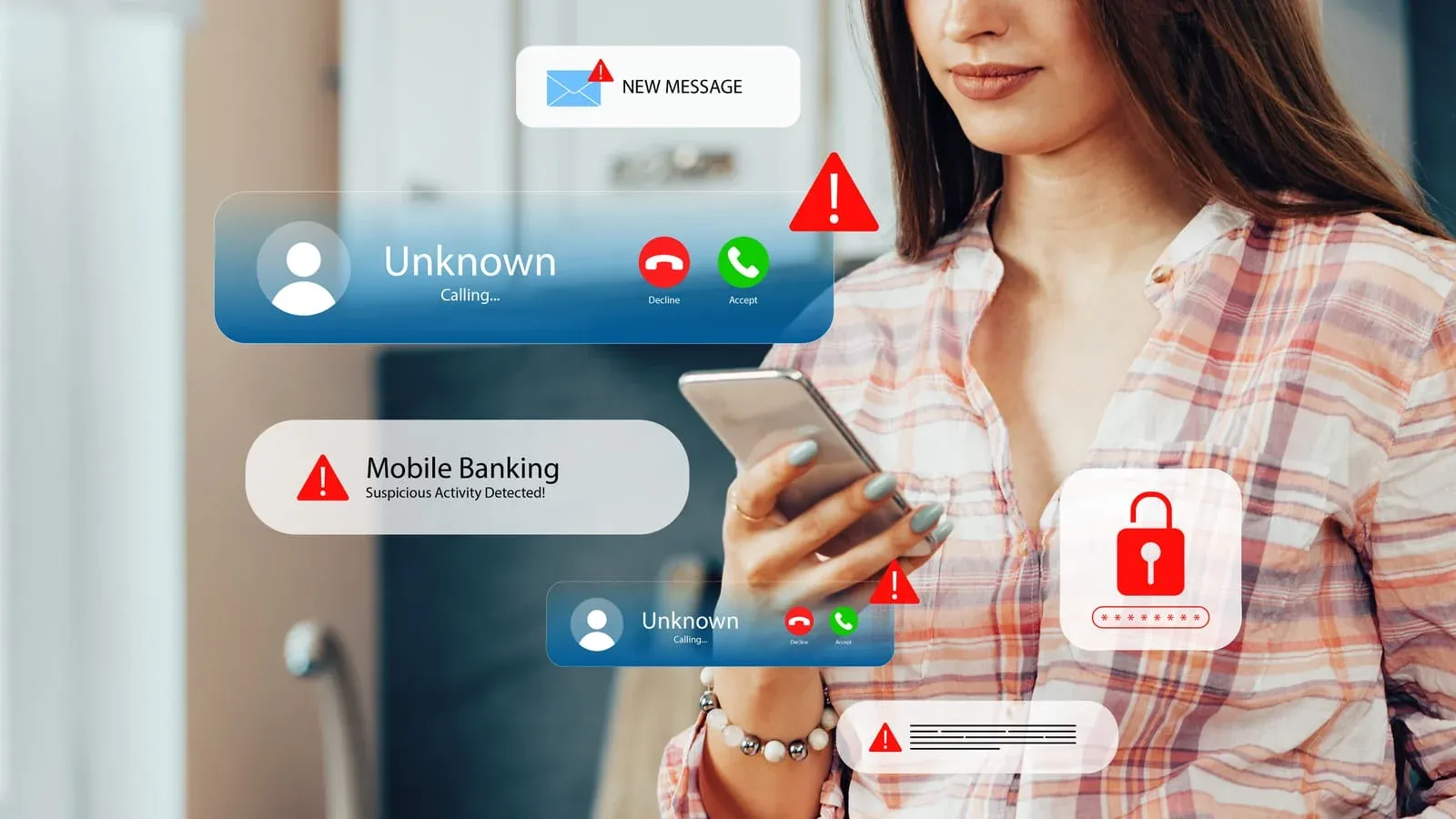
Congress's own research arm reported that in April 2026, people in the United States collectively received 4.2 billion robocalls, an average of about 13 calls per person in a single month. A huge share of those calls arrive with a caller ID that has nothing to do with who's actually calling, which makes a simple question surprisingly hard to answer: who is really on the other end of the line?
Phone number spoofing is the reason that question gets harder every year. Scammers can disguise the number shown on your screen, so what you see is not proof of who is calling. Spoofing a phone number doesn't mean the scammer owns that number. It means they've made the call appear as if it came from that number.
This article explains what phone number spoofing actually is, how phone number spoofing works in practical terms, why scammers rely on it so heavily, and the specific types of spoofing showing up in calls today. By the end, caller ID will feel less like a verdict and more like one clue among several.
What Is Phone Number Spoofing?
Phone number spoofing is the practice of changing or falsifying the caller ID information shown to the person receiving a call. The number or name you see on your screen can be set to almost anything, regardless of where the call is truly coming from.
Not all spoofing is illegal or malicious. Businesses sometimes use it legitimately, such as a company routing outgoing calls so its main customer service number appears on caller ID instead of an individual employee's extension. Illegal spoofing happens when scammers falsify caller ID specifically to deceive people, build false trust, or steal money and personal information.
A spoofed phone number can look local, official, familiar, or even like a contact already saved in your phone. That range is exactly what makes phone number spoofing such an effective tool for scammers, since the disguise can be tailored to whatever is most likely to get you to answer.

How Does Phone Number Spoofing Work?
Phone number spoofing works by altering the caller ID data attached to a call before it ever reaches your phone. The scammer doesn't need to hack your device or your phone company. They just need access to a service that lets them set the outgoing number themselves.
- The scammer places a call through a VoIP platform, robocall system, or call-routing provider. Many of these services are legitimate tools built for businesses, which scammers exploit for the wrong purpose.
- The caller ID information is changed before the call is sent out. The scammer enters a number of their choosing, which can belong to a real business, a real government office, or even a number close to your own.
- The call travels through multiple networks before it reaches you. Each network typically passes along the caller ID it received rather than independently verifying it.
- You see the fake number or name on your screen instead of the scammer's actual source. By the time the call rings, the disguise is already complete.
This routing through multiple networks is a large part of why detecting a spoofed phone number is so difficult for the average person. There's no simple way to trace a call back to its true origin just by looking at your phone.
Why Do Scammers Use Spoofed Numbers?
Scammers use spoofed numbers because a familiar or official-looking caller ID dramatically increases the chance that someone will answer. Every reason below serves that same basic goal.
- To make people more likely to pick up. A number that looks recognizable removes the hesitation an unknown number would normally cause.
- To imitate banks, delivery companies, government agencies, tech support, or local offices. Borrowing a trusted identity does most of the persuading before the scammer even says a word.
- To match the recipient's own area code. Local-looking numbers consistently get answered more often than out-of-area ones.
- To hide the scammer's real location. A spoofed number gives no accurate indication of where the call is actually originating.
- To avoid getting blocked after previous scam attempts. Rotating through spoofed numbers lets scammers dodge blocklists built from earlier calls.
- To make a call feel connected to a real text, email, or account alert. Pairing a spoofed call with an earlier message increases how believable the whole scenario feels.
Once you see spoofing as a persuasion tool rather than a technical trick, the pattern behind these calls becomes much easier to recognize. It also explains why unwanted calls and texts keep increasing year over year instead of slowing down.

Common Types of Phone Number Spoofing
Phone number spoofing shows up in a few recognizable patterns, each aimed at a different kind of trust. Knowing the category can help you spot a spoofed phone number faster, even before the caller says anything suspicious.

Local Number Spoofing
The scammer sets the caller ID to match the recipient's own city or area code, since local-looking numbers get answered at a much higher rate than obviously unfamiliar ones.
This is one of the most common forms of spoofing precisely because it works on almost anyone, regardless of how cautious they normally are.
Business or Bank Spoofing
The caller ID may display a real bank, credit card company, delivery service, or support line, even though the call has nothing to do with that business.
This is exactly why caller ID alone should never be treated as proof during a financial or account-related call, no matter how official the name or number looks.
Government Agency Spoofing
Scammers frequently fake numbers linked to tax offices, law enforcement, immigration services, courts, or benefit programs. The goal here is almost always fear-based pressure, pushing the recipient toward a fast decision before they have time to verify anything independently.
Neighbor Spoofing
The displayed number looks similar to the recipient's own phone number, often sharing the same area code and first few digits. This tactic makes the call feel oddly familiar, even though there is no actual connection between the spoofed number and the recipient at all.
Contact Spoofing
In more alarming cases, the caller ID may appear to match a name or number already saved in the recipient's phone. If a call like this asks for money, verification codes, secrecy, or urgent action, it's worth confirming who's actually behind the call through a separate, trusted channel before responding.
Treat Caller ID as a Clue, Not Proof
Phone number spoofing is difficult to detect because caller ID itself can be manipulated before a call ever reaches you, and the technology built to stop it hasn't caught up everywhere yet. The safest habit is treating what you see on your screen as one clue among several, never as confirmation on its own.
When a call involves money, personal information, or urgency, the right move is to pause, hang up, and verify through a number or channel you already trust rather than the one displayed on the call. Building habits that reduce your overall exposure to spam and scam calls makes this pause easier to remember in the moment, since fewer suspicious calls means less pressure to react quickly.
Spot Suspicious Numbers Before You Answer
Download Sync.me to flag numbers already reported by other users, adding a layer of protection that caller ID alone can't provide.
Frequently Asked Questions
Can someone spoof my number without hacking my phone?
Yes, spoofing happens entirely on the caller's end through a VoIP or call-routing service, so your phone and accounts are not compromised in the process. Your actual number stays yours; the scammer is simply displaying it on someone else's outgoing call.
Why does a spoofed call sometimes show a real company name?
Scammers can manually enter any name or number they want into the caller ID field of many calling platforms, including a real bank or business name. This is why a familiar name on caller ID during an unexpected call should never be treated as automatic proof of legitimacy.
What should I do if people say they received calls from my number?
This usually means your number was spoofed by someone else, not that your phone or account was hacked. There's no way to fully prevent this, but you can report it to your carrier and let callers know your number was likely spoofed if they reach you directly.
Can caller ID verification stop all spoofed calls?
No, current caller ID authentication technology like STIR/SHAKEN reduces spoofing but doesn't eliminate it, particularly on calls routed through smaller providers. A verified label lowers risk but should still be paired with independent verification for anything involving money or personal data.
Is a verified caller label the same as proof that the call is safe?
No, a verified label only confirms the caller ID information wasn't altered mid-network, not that the caller's intentions are trustworthy. Scammers can still register real business names or numbers with calling platforms, so verification and trustworthiness are not the same thing.
Publicaciones relacionadas
Typical Smishing and Vishing Scams (And How to Prevent Your Data from Being Stolen)
What is the difference between smishing and vishing? Learn the top phone and text scam tactics, how to recognize fraud, and how to keep your data safe.
What is Smishing? Everything You Need to Know About Text Message Scams
What is smishing? Learn how text message scams work, how to identify dangerous links, and the immediate steps to take if you accidentally click one.
How Spam Detection Helps Identify Suspicious Calls Before You Answer
Learn how spam detection works and how modern tools detect spam calls before you answer. Discover spam call types, warning signs, and ways to reduce unwanted calls.