What Happens If You Respond to a Spam Text? Here's What to Know
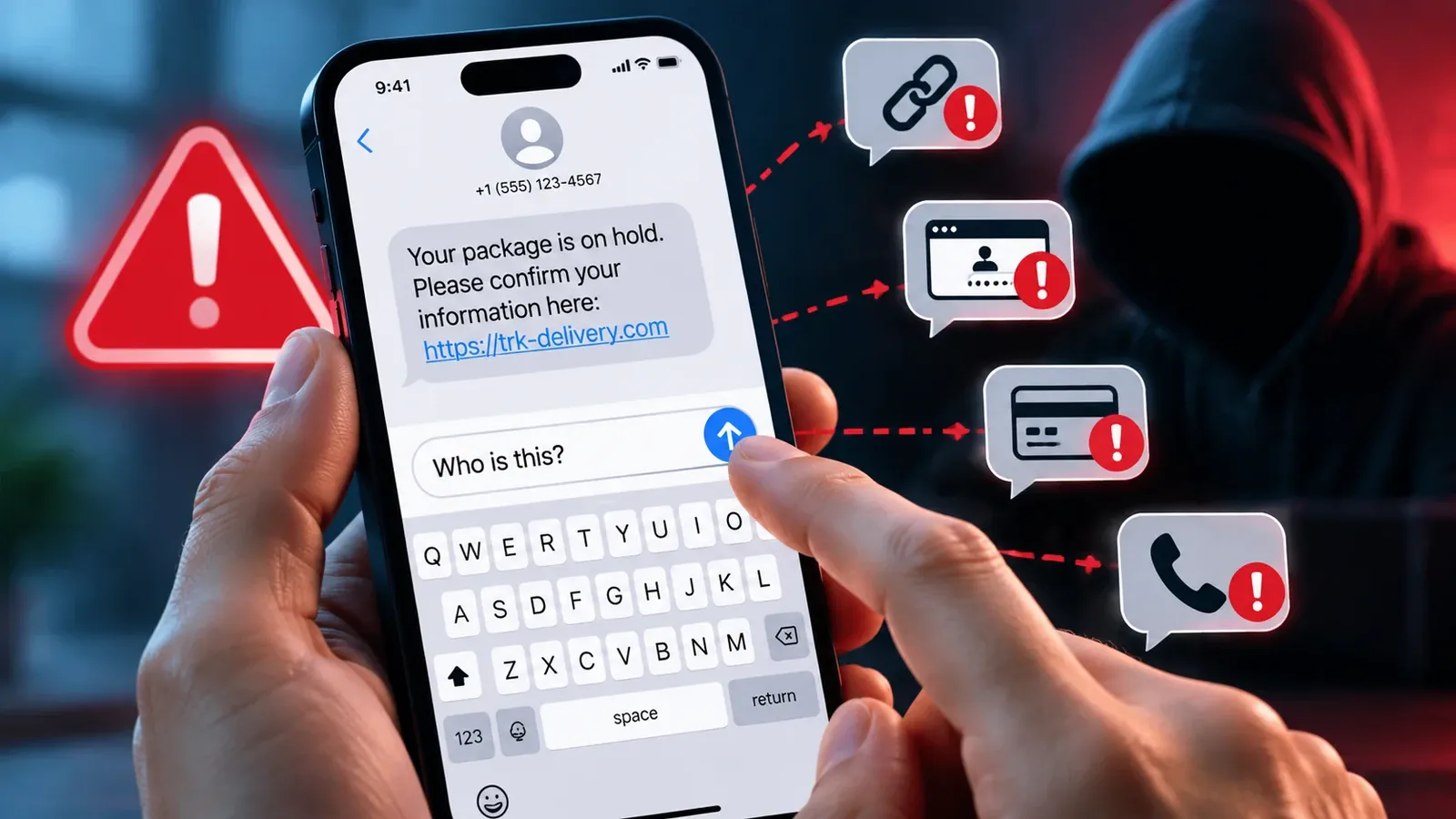
Responding to a spam text turns a one-way message into a two-way interaction, and what happens next depends entirely on what you do. A simple reply, clicking a link, sharing information, or calling a number all carry very different levels of risk.
Consumer Reports' 2025 Cyber Readiness Report found that text-based scam attempts increased 50% year over year, with 30% of people who encountered a digital scam in the past year saying it started with a text or messaging app.
Understanding what happens if you respond to a spam text matters more now than ever, simply because so many more people are running into one. The tactics overlap closely with broader smishing and vishing patterns, which is part of why a single response can lead somewhere much bigger than a single message.

What Happens When You Reply to a Spam Text?
Replying to a spam text shifts the situation from a message you can ignore into an active interaction the sender can react to. What happens if you respond to a spam text depends on the specifics, but a few consequences tend to follow almost immediately regardless of the exact wording:
- The sender confirms your number is active, even from a short or dismissive reply.
- You may receive more spam messages, sometimes within hours of the first response.
- Your number may be added to other scam lists, since active numbers are often sold or shared between operations.
- You may be targeted with more convincing scams, since a response signals you engage with unknown senders.
The level of risk depends heavily on what type of response was actually sent. Choosing to respond to spam text messages with a single word carries far less risk than clicking a link or sharing information.
Why Do Scammers Want You to Respond?
Scammers want a response because spam texts are frequently designed to encourage interaction rather than simply deliver information. Choosing to respond to a spam text, even briefly, teaches them several useful things at once:
- Your number is currently monitored and read regularly.
- You are willing to check or respond to messages from unknown senders.
- You may respond to urgent or unusual requests without much hesitation.
This kind of engagement helps scammers separate active, responsive numbers from unused or abandoned ones, which makes your number more valuable for future campaigns rather than less.
Different Types of Responses and Their Risks
Not every response to a spam text carries the same level of danger. The four categories below cover most of what actually happens after someone responds.

Replying With a Simple Response
Even a harmless reply like "Who is this?" or "Stop" can confirm that a number is active. Some legitimate marketing messages do support real opt-outs, but unknown scam texts should generally not be engaged with at all, regardless of how brief the reply feels or how tempting it is to ask who sent it.
- Quick Tip: Save "STOP" replies for businesses you actually signed up with. Responding to an unfamiliar or suspicious number, even with "STOP," still confirms the number is being read.
Scammers frequently continue targeting responsive numbers specifically because a reply proves someone is on the other end.
Clicking a Link After Responding
Clicking a link creates meaningfully more risk than replying alone. Depending on the scam, this can lead to a fake login page, stolen credentials, a fraudulent payment form, or a malicious download disguised as something routine.
Common examples include fake delivery tracking pages, bank verification links, and toll payment messages, all designed to look convincing enough to bypass a quick glance.
Sharing Personal Information
Sharing details like your full name, address, date of birth, account information, or a verification code carries the highest individual risk in this list. Small pieces of information rarely seem dangerous on their own, which is exactly what makes them so useful to someone assembling a larger profile piece by piece.
- Note: Scammers routinely combine small details shared in one interaction with other leaked information from past breaches, building a more complete and convincing profile over time.
Calling a Number Included in the Text
Some spam texts are specifically designed to move you from a text conversation to a phone call. Once on the phone, you may encounter a fake customer support agent, someone impersonating your bank, or a tech support scam built around the same urgency as the original message. These follow-up calls sometimes come from unfamiliar or international numbers designed to look local at a glance.
Caller ID tools can help you check a suspicious number before calling it back. Sync.me's caller ID and spam protection flags known scam numbers and gives you context before you decide whether to answer or call at all.
Types of Responses at a Glance

Can Replying to a Spam Text Hack Your Phone?
Replying to a spam text usually does not hack your phone or give a scammer direct access to your device. This is one of the more common misconceptions about spam texts, and it is worth addressing directly.
The bigger risks come from clicking links, downloading files, installing apps, or sharing information, not from the reply itself. Some modern scams do combine several steps into one connected chain: a text leads to a fake website, which leads to a phone call, which ultimately leads to account theft. Responding to spam texts is the first link in that chain, but it is rarely the step that causes direct harm on its own.
Myth vs. Reality

What to Do If You Already Responded to a Spam Text
Responding does not automatically mean your accounts or device are compromised, but a few quick steps limit any further risk.
- Stop the conversation. Do not send any further replies, even to ask questions or push back.
- Avoid clicking anything else. Any links, images, or attachments in the same thread should be left untouched.
- Secure your accounts if you shared information. Change passwords and monitor accounts closely if you provided any personal or financial details.
- Block and report the number. Reporting through your carrier or messaging app, often by forwarding to 7726, helps flag the number for others too.
Recognizing common phishing tactics used in text messages makes it easier to catch the next attempt earlier, before a response becomes necessary at all.

Should You Respond to Spam Texts at All?
The short answer is no. Should you respond to spam texts under any circumstances, even out of curiosity or annoyance? Almost never, and the small satisfaction of a witty reply is rarely worth the increased attention it invites.
he only real exception is a legitimate "STOP" reply to a business you actually signed up with, since that request is handled differently than a response to an unknown scam number.
If a spam text does escalate into a phone call, knowing how to answer spam calls without giving anything away covers that next step, and understanding what happens when you answer a scam call rounds out the picture for the voice side of the same pattern.
A Reply Does Not Compromise Your Phone, But It Does Invite More Attention
Responding to a spam text does not automatically mean your phone is compromised. What it does mean is that you have drawn more attention from whoever sent it, and that attention rarely works in your favor. Anyone still weighing what happens if you respond to a spam text should remember that the response itself is rarely dangerous; what follows it usually is.
Recognizing spam patterns early is what actually prevents a simple message from turning into a larger scam. The response itself is one small decision, but it is the decision that determines almost everything that happens afterward.
Want to check an unfamiliar number before it turns into a call?
Try Sync.me's caller ID and spam protection for iPhone and Android to identify unknown numbers and flag known scam callers automatically.
Frequently Asked Questions
Can scammers tell when I have opened a text message?
Some messaging platforms include read receipts that a sender can see, but many scam texts also use tracking pixels or links that reveal when a message was opened. Simply opening a text without replying or clicking anything is still considered low risk overall.
What should I do if I replied to a spam text but shared no information?
Stop responding immediately and avoid clicking any links in the same conversation. Choosing not to respond to a spam text any further is the single most effective thing you can do at this stage, and monitoring your accounts for a few weeks afterward is a reasonable additional precaution.
Can responding to spam texts lead to more scam calls?
Yes, responding to spam texts frequently leads to follow-up phone calls, since scammers often escalate from text to voice once they confirm a number is active. This is part of why caller ID tools are useful even if the original contact came through text.
How long should I monitor my accounts after interacting with a scam text?
A few weeks of closer-than-usual monitoring is generally a reasonable precaution, especially if you shared any personal or financial information. Should you respond to spam texts and later regret it, this monitoring window is the most practical safeguard available; if you only sent a simple reply with no information shared, the added risk is lower but still worth a brief period of extra attention.
Should I delete spam texts or keep them for reporting?
Report the message first, either through your carrier or by forwarding it to 7726, and then delete it afterward. Keeping a screenshot before deleting can be useful if you need to reference the message later.
Post correlati
How to Block Spam Texts Without Missing Important Messages
Learn how to block spam texts while keeping important messages. Discover smarter filtering, selective blocking, and tips to avoid missing real alerts.
How to Prevent Spam Text Messages: 8 Simple Habits to Follow
Learn how to prevent spam texts with 8 practical habits, including protecting your number, using filters, avoiding risky links, and reducing unwanted messages.
8 Common Scam Texts Everyone Should Learn to Recognize
Learn about common scam texts, including fake delivery alerts, bank warnings, job offers, and more. Discover warning signs and safe ways to respond.