Phone Call or Text? The 5-Second Rule to Decide Which One to Use
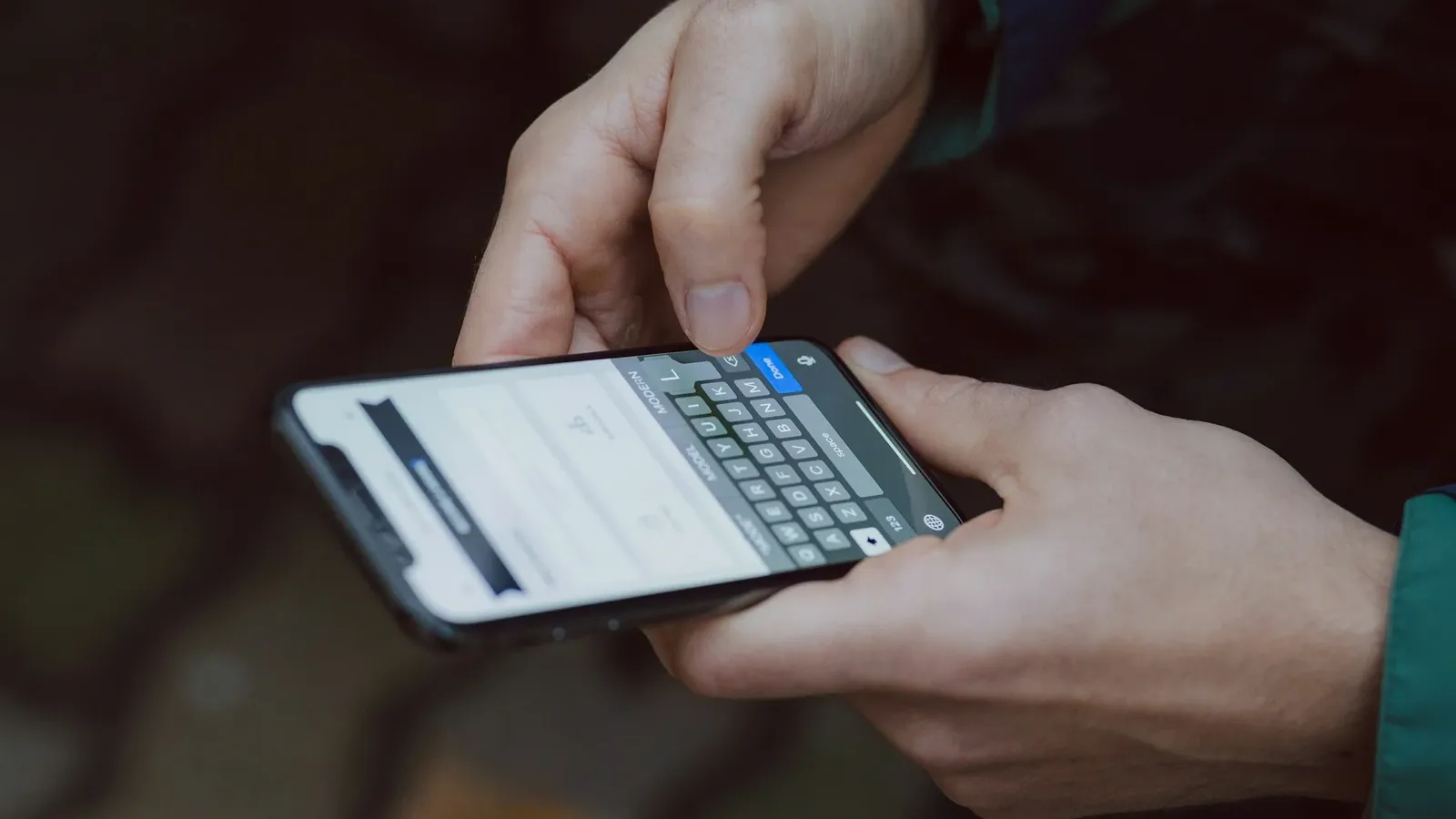
Use a phone call when the issue is urgent, emotional, or complicated, and use a text when the message is short, simple, or needs to be saved. According to Consumer Research on Phone Channel Engagement, TransUnion, Q4 2024, nearly eight out of 10 consumers still consider phone calls important for communicating with businesses, while 80% also block calls from unknown numbers.
That explains the little pause many of us feel before reaching out. You need to contact someone, but you are not sure what will feel better: a phone call or a text. A call may feel too direct. A text may feel too slow or too cold.
The 5-second rule is a quick way to decide whether to call or text by checking five things: urgency, complexity, tone, record, and relationship. For example, a last-minute change is usually better as a call, while an address or reminder is better as a text message.
There is no perfect answer for every situation. The right choice depends on what you need, how fast you need it, and how the other person is likely to receive it. This guide will help you choose the right channel without overthinking every message.
How Do You Decide Between a Phone Call or Text in 5 Seconds?
You decide between a phone call and a text by asking five quick questions before you reach out. If the answer points to urgency, emotion, or discussion, call. If it points to clarity, convenience, or saving details, text.
Here is the simple version:
- Is it urgent?
- Is the message complicated?
- Could the tone be misunderstood?
- Does the person need a record?
- What is your relationship with them?
That is the whole 5-second rule. It works for personal plans, work updates, family situations, missed calls, and unknown numbers. It also helps when you are stuck comparing phone calls vs texting and cannot decide which one will feel more natural.
- Is it urgent? Choose a phone call because calls get attention faster.
- Is it complicated? Choose a phone call because discussion is easier by voice.
- Could tone be misunderstood? Choose a phone call because voice adds warmth and context.
- Do they need to save details? Choose a text because a text is easy to search later.
- Is the relationship formal or new? Choose a text first because it feels less intrusive.
The best communication channel is the one that matches the message, not the one that feels easiest for the sender.

When Should You Choose a Phone Call Over a Text?
You should choose a phone call when the situation needs speed, emotion, explanation, or real-time confirmation. A call is useful when waiting for a reply could create stress, delay, or confusion.
1. Urgency Comes First
If the issue needs an immediate answer, choose a phone call. Texts can be missed, muted, buried, or read too late.
Call when there is an emergency, a last-minute schedule change, or an urgent work update. For example, if someone is already on the way to the wrong location, a call is much better than a text.
A phone call or text message can both share information, but a call gets attention faster. That matters when minutes count.
2. Complicated Details Need a Real Conversation
If the topic needs explanation or back-and-forth, a phone call is usually better. Long text threads can become messy, especially when several decisions need to be made.
Call when you need to discuss planning details, directions, work instructions, family decisions, or anything with many moving parts. A five-minute call can sometimes replace twenty confusing messages.
This is one of the clearest differences in phone calls vs texting. Texts are great for simple details, while calls are better when both people need to think out loud.
3. Emotional Messages Need Voice
If the message is sensitive, serious, or emotional, a call may feel more human. Texts can sound colder than you meant, even when your intention is kind.
Apologies, conflict, bad news, personal concerns, and difficult work conversations are often better by phone. Voice lets the other person hear your tone, pause, care, and sincerity.
This does not mean every emotional topic must be a call. Some people need time to process. A good middle step is texting first: “Can I call you for a few minutes? I want to talk properly.”
4. Fast Clarity Matters at Work
A phone call is better when a professional issue needs quick clarity. If a client, coworker, or vendor may misunderstand a written message, a short call can prevent a longer problem.
Use a call when you need to confirm instructions, explain a change, or solve a mistake quickly. Afterward, send a short text or email summary so everyone has the key details.
This gives you the best of both worlds. The call clears up the issue, and the written follow-up creates a record.
5. Long Text Threads Are a Sign to Call
If the text thread is getting too long, call. A conversation that needs ten messages from each person probably needs voice.
This happens often with plans, group decisions, relationship concerns, and work problems. The longer the thread gets, the easier it is for someone to miss a detail or read the tone wrong.
A simple line works well: “This may be easier by phone. Can I call you?” That keeps the choice polite and low-pressure.

When Is a Text Message Better Than a Phone Call?
A text message is better when the message is simple, non-urgent, easy to save, or likely to interrupt someone if sent as a call. Texting gives the other person space to respond when they can.
1. Short Questions Work Better by Text
Simple yes-or-no questions are usually better as texts. They do not need a full conversation.
Examples include:
- “Are we still meeting at 6?”
- “Can you send the address?”
- “Did the package arrive?”
- “Do you want coffee?”
- “Can I call you later?”
This is where choosing a text or a phone call becomes easy. If the answer can fit in one short sentence, a text is usually enough.
2. Saved Details Belong in Writing
Send a text when the other person may need to save or find the information later. This includes addresses, times, dates, links, names, codes, prices, and reminders.
A phone call or text message can both explain a plan, but only the text gives the person something they can search later. That is why appointment details, meeting links, and directions often work better in writing.
For important calls, follow up with a text summary. For example: “Thanks for the call. Just confirming: Tuesday at 3 PM, 14 Oak Street, bring your ID.”
3. Non-Urgent Updates Should Not Interrupt
A text is better when the update is useful but not urgent. It lets the other person respond when they have time.
This works for casual updates, small reminders, quick thank-you messages, and low-pressure plans. It also works well when you know the person may be in a meeting, driving, with family, or resting.
Choosing between a phone call or text is often about respect. If you do not need their attention right now, a text may be kinder.
4. New or Formal Contacts Often Prefer a Text First
Texting first can feel more polite when you do not know the person well. This is common with coworkers, clients, service providers, recruiters, landlords, or new contacts.
A short text gives context before the call. It can be as simple as: “Hi, this is Emma from the design team. Are you free for a quick call about the project timeline?”
This is especially helpful when your number is not saved. It makes the call feel expected instead of random.
5. Easy-to-Find Information Should Stay in Text
Some information is simply more useful when it is written down. If the other person may need to copy, paste, save, forward, or check it later, text is the better choice.
Use text for:
- Addresses and directions
- Appointment times
- Links and documents
- Confirmation numbers
- Names and spellings
- Short reminders
This is one reason phone calls vs texting is not about which channel is “better.” Each one solves a different problem.
How Should Caller ID Affect the Phone Call or Text Decision?
Caller ID should affect your choice because people are more careful with unexpected calls now. If the person may not recognize your number, a text first can make your call feel safer and easier to answer.
Sync.me’s caller ID and spam protection features help people identify unknown callers, spot suspicious numbers, run reverse phone lookups, and keep contact details more accurate. That matters because a name on the screen can change how someone reacts to a call.
If your number is not saved, texting first is often a smart move. You can introduce yourself, explain why you are reaching out, and ask whether it is a good time to call.
For incoming calls, caller awareness helps you decide whether to answer, ignore, or wait for a text.
Sync.me’s guide on how to get caller ID and identify unknown numbers explains how caller identification can make that decision easier.
Better Communication Starts With the Right Channel
The strongest rule is simple: match the channel to the message. Use a call for urgency, emotion, complexity, and quick clarity. Use a text for simple updates, saved details, low-pressure messages, and busy moments.
The 5-second rule makes the choice easier: check urgency, complexity, tone, record, and relationship. Once you do that, the phone call or text decision becomes much less awkward.
Better communication also starts with knowing who is on the other end. Caller ID, accurate contact names, and safer call habits help you decide whether to answer, call back, text first, or wait.
Choose the Right Response Before You Pick Up
Download Sync.me to identify callers, avoid unwanted calls, and decide faster whether to answer, call back, or send a text.
Frequenly Asked Questions
Why do people prefer texting as compared to phone calls?
People often prefer texting because it feels less disruptive and gives them time to think before replying. Texts are also easier for saving details like addresses, times, links, and reminders. Phone calls are still better when the topic is urgent, emotional, or complicated.
Should I call back an unknown number or wait for a text first?
If you do not recognize the number, it is usually safer to check caller ID, let the call go to voicemail, or look up the number before calling back. If the caller is legitimate, they may leave a message or send a text. Avoid calling back suspicious numbers without checking them first.
Can accurate contact names make it easier to choose between calling and texting?
Yes, accurate contact names help you understand who is reaching out and how important the message may be. If you know the caller is a close friend, doctor, client, or coworker, you can choose the right response faster. Clean contacts also reduce missed calls and mistaken replies.
Should I text first if a caller ID app marks a number as suspicious?
No, do not text a suspicious number unless you are sure who it belongs to. If a caller ID app marks the number as suspicious, avoid sharing personal details and verify the contact through another trusted method. When in doubt, do not engage.
How do I know if a missed call is important enough to return?
Check whether the caller left a voicemail, sent a text, or appears in your contacts. You can also use caller ID or number lookup to see if the number is linked to spam or a real business. If there is no context and the number looks suspicious, waiting is often safer.
संबंधित पोस्ट
Phone Call Etiquette: 10 Tips for Professional and Personal Calls
Learn call etiquette for work and personal conversations. Use these phone call etiquette tips to answer, speak, listen, and follow up with confidence.
How to Protect Your Phone Number: 9 Simple Safety Rules
Your phone number is more exposed than you think. Follow these 9 practical rules for phone number protection and reduce your risk of spam calls and scams.