How to Identify No Caller ID: Who Is Calling from a Hidden Number?
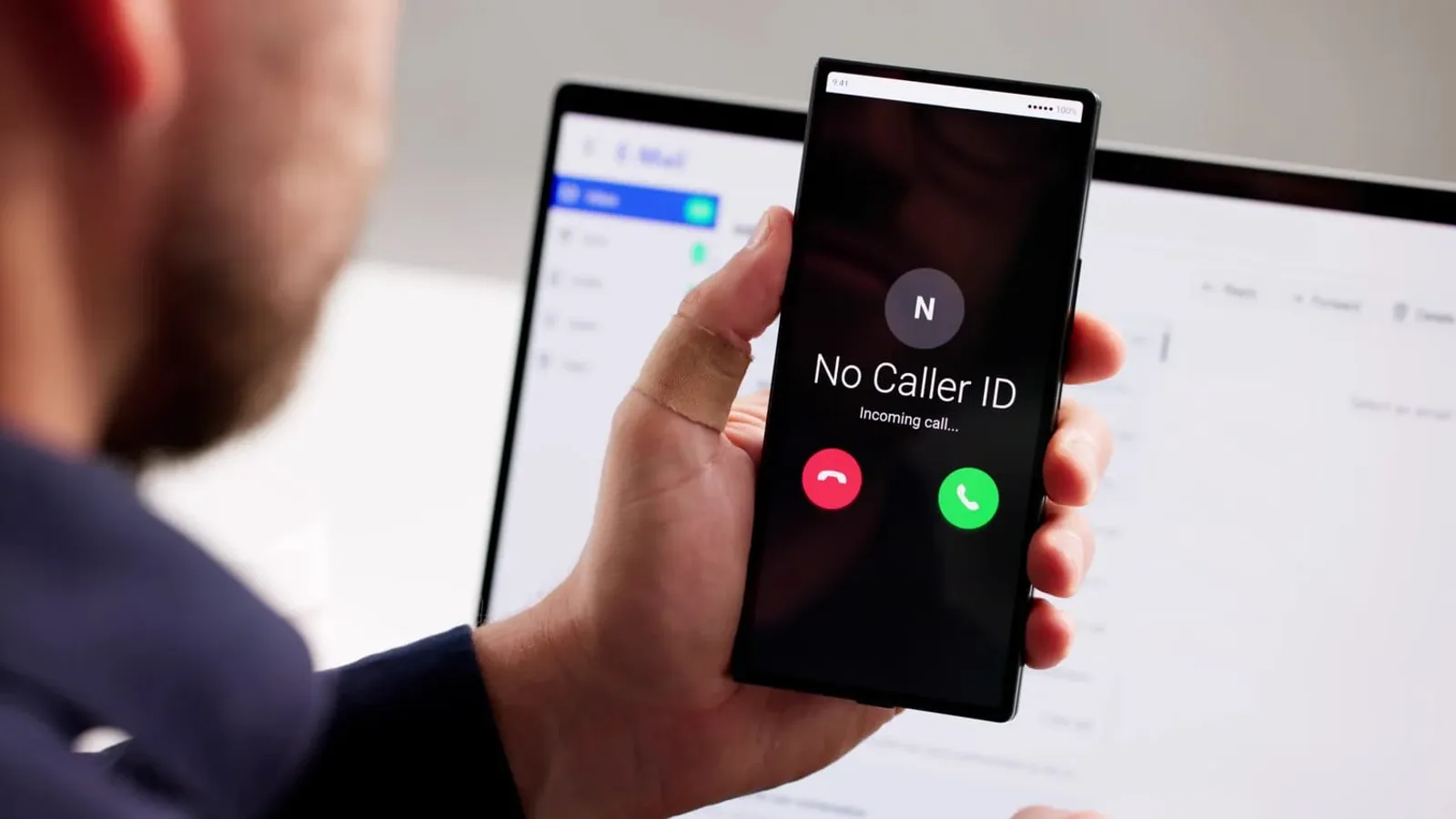
Receiving a call labeled “No Caller ID” can be confusing. Without a visible phone number, it is difficult to determine who is trying to reach you or whether the call should be answered at all.
Many people search for ways to identify no caller ID calls so they can verify unknown callers and avoid suspicious or unwanted contact. While hidden numbers cannot always be fully revealed, modern tools and practical call-handling strategies can help users manage anonymous calls more effectively.
Understanding how no caller ID identifier systems work allows users to handle hidden calls more confidently and reduce the risk of engaging with unwanted callers.
What No Caller ID Means
A “No Caller ID” label usually appears when the caller intentionally hides their number or when the phone network prevents the number from being displayed.
Caller-Blocked Numbers
Some callers deliberately hide their phone numbers before placing a call. Most smartphones and phone systems allow users to block their caller ID when making outgoing calls.
When this feature is enabled, the receiving device will display “No Caller ID,” “Private Number,” or a similar label instead of the actual number.
Network Privacy Features
In some cases, the caller’s number may be hidden due to network privacy settings or limitations within certain telecommunications systems.
Business phone systems, VoIP services, or international calls may sometimes prevent caller information from appearing correctly on the receiving device.
Why People Use No Caller ID
Hidden numbers are not always suspicious. There are legitimate reasons why individuals or organizations may choose to hide their caller ID.
Privacy Reasons
Some people prefer to keep their personal phone numbers private when contacting someone they do not know. This is especially common for professionals who make calls from personal devices but do not want their numbers shared publicly.
For example, journalists, medical professionals, or service providers may hide their numbers to protect their privacy.
Business Call Systems
Organizations sometimes use call systems that display “No Caller ID” instead of a direct phone number.
This can occur with:
- Large call center systems
- Corporate VoIP services
- Outgoing calls routed through centralized phone networks
In these situations, the hidden number does not necessarily indicate malicious intent.
Temporary Call Masking
Some services temporarily hide caller numbers to protect the identity of users during transactions, deliveries, or marketplace communications.
These systems allow communication between two parties without revealing personal phone numbers.
Methods to Identify No Caller ID
Although a hidden number cannot always be revealed directly, several tools and techniques may help identify no caller ID calls or gather useful information about the caller.

Caller ID Applications
Caller identification tools can sometimes detect information about calls even when a number is not clearly displayed.
Services such as caller ID tools analyze contact databases and user reports to help users recognize unknown callers and manage incoming calls more effectively.
While these tools may not always reveal the exact number behind a hidden call, they can still help identify patterns or known spam behavior.
Reverse Lookup After Voicemail
If a hidden caller leaves a voicemail message, the message may contain clues about the caller’s identity.
Sometimes, voicemail systems store metadata such as partial caller information or location details that can help users identify the source of the call.
Carrier Services
Some telecommunications providers offer services that help manage anonymous calls. These services may:
- Block calls from hidden numbers
- Require anonymous callers to reveal their number before connecting
- Automatically reject suspicious calls
Carrier-level protections can provide an additional layer of control when dealing with hidden callers.
Limitations of Identifying Hidden Numbers
While it is possible to manage or filter anonymous calls, completely revealing hidden numbers is not always possible.
Privacy Protections
Telecommunication systems include privacy protections designed to prevent unauthorized access to personal phone numbers.
These protections ensure that individuals can hide their numbers when necessary and prevent third parties from revealing private caller information.
Legal Restrictions
In many regions, laws restrict the ability to uncover hidden phone numbers without proper authorization.
These regulations are intended to protect user privacy and prevent misuse of telecommunications data.

How to Handle No Caller ID Calls
Even when a hidden number cannot be fully identified, there are practical ways to manage these calls safely.
Let Unknown Calls Go to Voicemail
Allowing unknown calls to go to voicemail is often the safest option. Legitimate callers will usually leave a message explaining the reason for their call.
If the caller does not leave a message, the call may not have been important.
Block Anonymous Calls
Many smartphones allow users to automatically block calls from hidden numbers.
Enabling this feature prevents calls labeled “No Caller ID” from reaching the phone entirely.
Monitor Call Patterns
Repeated calls from hidden numbers may indicate spam or unwanted contact. In these situations, blocking anonymous calls or enabling spam filters can help reduce interruptions.
Report Suspicious Activity
If hidden calls appear suspicious or occur frequently, reporting them may help improve detection systems.
Consumer protection agencies collect data on unwanted calls and scam activity. Reports such as the FTC National Do Not Call Registry data report highlight how widespread unwanted calls have become and why reporting suspicious calls helps improve consumer protection efforts.
Key Takeaways: Managing and Identifying No Caller ID Calls
Learning how to identify no caller ID calls can help users manage anonymous callers more confidently. While hidden numbers cannot always be revealed due to privacy protections, several tools and strategies can help reduce uncertainty.
Caller identification tools, voicemail analysis, and carrier protections all provide ways to manage hidden calls. By combining these tools with practical call-handling habits—such as letting unknown calls go to voicemail or blocking anonymous callers—users can reduce the risk of interacting with suspicious callers.
As anonymous calling continues to exist in modern telecommunications systems, understanding how to identify no caller ID and manage hidden calls remains an important part of maintaining phone security and avoiding unwanted interruptions.
İlgili yazılar
Top 10 Ways to Check Online Phone Number
Learn effective ways to check online phone number sources and identify unknown callers. Protect yourself from scams and verify business contacts.
How to Find the Owner of a Phone Number: 7 Proven Methods
Learn how to find the owner of a phone number using 7 proven, legal methods. Compare free and paid lookup tools to identify unknown callers safely.