Spam Call Checker: How to Check Spam Call Numbers Before You Answer
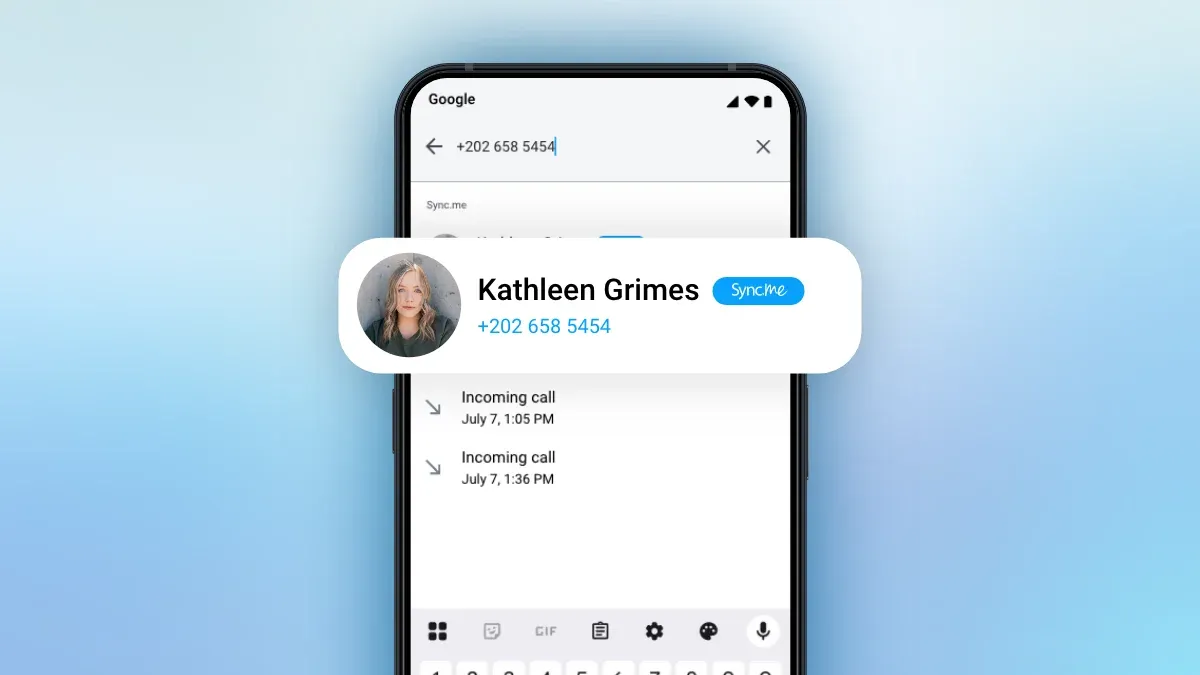
Spam calls are becoming increasingly common, making it harder to know whether an incoming call is safe to answer. Many of these calls come from unknown numbers, making it difficult to distinguish between legitimate contacts and potential scams.
Using a spam call checker helps users verify unknown numbers before answering. These tools analyze caller data, user reports, and call patterns to detect suspicious activity. By learning how to check spam calls, users can reduce the risk of interacting with fraudulent callers and improve overall call safety.
What Is a Spam Call Checker
A spam call checker is a tool that allows users to analyze phone numbers and determine whether they are associated with spam or suspicious activity. Instead of answering blindly, users can check a number in advance and make informed decisions.
How Spam Call Checker Tools Work
Spam call checker tools rely on large databases of reported numbers and advanced detection systems. When a number is checked, the system compares it against known spam reports and evaluates patterns such as:
- Call frequency from the same number
- Reports submitted by other users
- Known robocall behavior
- Suspicious dialing patterns
If a number shows multiple warning signals, the system may flag it as suspicious.
Many modern tools combine spam detection with call blocking features. Systems like a spam call blocker integrate caller databases, real-time analysis, and community reports to help identify and stop unwanted calls.
Difference Between Checking and Blocking
Checking a number and blocking a number are two different actions.
A spam call check allows users to review information about a number before deciding how to respond. It provides insights such as spam reports, caller identity, and risk level.
Blocking, on the other hand, prevents a number from contacting the user again. While blocking stops repeated calls, checking helps users understand whether the number is safe in the first place.

Why You Should Check Spam Calls
Checking unknown numbers before answering is an important step in avoiding unwanted calls and protecting personal information.
Avoiding Scam Calls
Scam calls often come from unfamiliar numbers and may attempt to trick users into sharing sensitive information. Fraudsters frequently impersonate banks, delivery services, or government agencies.
Consumer protection agencies warn that scam calls often rely on deception and urgency to manipulate victims. As explained in guidance from the Federal Trade Commission, recognizing suspicious communication patterns is key to avoiding fraud.
Using a spam call checker helps identify these risks before answering the call.
Identifying Unknown Callers
Not all unknown calls are harmful. Some may come from legitimate businesses or contacts not saved in your phone.
By using a spam call checker, users can determine whether a number belongs to a real person, a business, or a potentially suspicious source. This helps reduce uncertainty when receiving calls from unfamiliar numbers.
Methods to Check Spam Call Numbers
There are several effective ways to check spam call numbers, each offering different levels of detail and accuracy.
Caller ID Apps
Caller ID applications provide real-time identification of incoming calls. These apps compare phone numbers against large databases and display information about the caller before the call is answered.
Many apps also include spam detection features that warn users if a number has been reported as suspicious.
Online Spam Call Checker Tools
Online tools allow users to manually enter a phone number and check whether it has been reported as spam.
These platforms often display:
- User reports about the number
- Spam risk ratings
- Comments from other users
Online checkers are useful when you want to verify a number after receiving a missed call.
Reverse Phone Lookup
Reverse phone lookup services allow users to search for information linked to a phone number.
These tools may provide:
- Name associated with the number
- Location or region
- Phone carrier information
- Spam activity history
Reverse lookup services are commonly used to check spam calls and verify unknown numbers.

What Information You Can Get
Spam call checker tools provide several types of information that help users evaluate incoming calls.
Spam Reports
One of the most valuable data points is spam reporting. When a number has been reported multiple times, it is more likely to be associated with spam or scam activity.
These reports are typically collected from users who have received suspicious calls.
Caller Reputation
Caller reputation refers to how trustworthy a number is based on historical data.
Numbers that have been frequently reported or linked to suspicious activity may have a poor reputation score.
Call Activity Patterns
Advanced tools analyze how a number behaves. This includes how often it calls, how many people it contacts, and whether it follows patterns associated with robocalls.
These insights help users determine whether a number is likely to be legitimate or suspicious.
Limitations of Spam Call Checkers
Although spam call checker tools are useful, they are not always perfect.
Some limitations include:
- New numbers may not yet appear in databases
- Spoofed numbers can change frequently
- Not all spam calls are reported immediately
Because of these limitations, it is important to combine spam checking with safe call-handling habits.
Tips for Safer Call Screening
Using a spam call checker is just one part of managing unknown calls. A few additional practices can improve call safety.
- Avoid answering calls from unfamiliar international numbers
- Let unknown calls go to voicemail when possible
- Block numbers that repeatedly call without leaving messages
- Report suspicious numbers to improve detection systems
Combining these strategies with spam-checking tools helps reduce unwanted calls and improve overall phone security.
How Spam Call Checker Tools Help Identify Suspicious Calls
A spam call checker provides a practical way to verify unknown numbers before answering. By analyzing caller databases, user reports, and call patterns, these tools help users check spam calls and avoid interacting with suspicious callers.
While no system can detect every spam call, combining spam call checking with caller ID tools, reporting systems, and safe call-handling habits can significantly reduce unwanted interruptions. As spam calls continue to evolve, tools that help check spam call numbers will remain essential for improving communication safety.
Похожие статьи
Spam Call Blocker: How to Block Spam Numbers and Stop Robocalls
Learn how a spam call blocker works to stop robocalls, block spam numbers, and protect you from unwanted calls. Explore methods for better security.
How to Find the Owner of a Phone Number: 7 Proven Methods
Learn how to find the owner of a phone number using 7 proven, legal methods. Compare free and paid lookup tools to identify unknown callers safely.
Top 10 Ways to Check Online Phone Number
Learn effective ways to check online phone number sources and identify unknown callers. Protect yourself from scams and verify business contacts.