How to Identify a Phone Number: Find Out Who Is Calling You
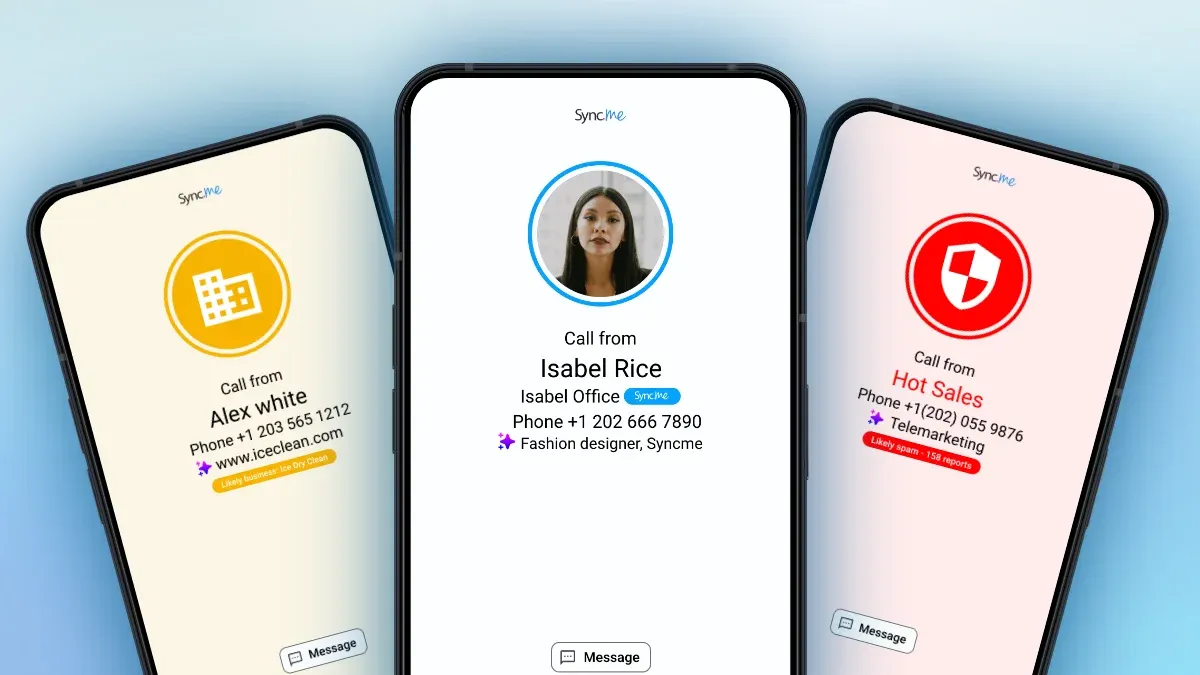
Receiving calls from unfamiliar numbers has become common for many smartphone users. While some of these calls may come from legitimate contacts or businesses, others may be spam, robocalls, or fraud attempts.
Knowing how to identify a phone number allows users to verify callers before answering or returning a call. Modern technologies such as reverse phone lookup tools, caller ID systems, and online databases make it easier to investigate unknown numbers.
This guide explains how telephone number identification tools work, how to identify mobile number information, and what methods can help determine who is calling.
Why Identifying Phone Numbers Matters
Understanding who is calling helps users make informed decisions about answering or ignoring incoming calls. Identifying unknown numbers is especially useful when dealing with potential spam or verifying legitimate contacts.
Avoiding Scam Calls
Phone scams often rely on unfamiliar numbers to reach potential victims. Fraudsters may impersonate banks, delivery services, or government agencies to gain trust and collect personal information.
When users know how to identify a phone number, they can verify suspicious callers before engaging in conversation.
Verifying Business Contacts
Many businesses call customers from numbers that may not appear in saved contacts. This can include delivery companies, service providers, or appointment reminders.
Identifying the caller helps confirm whether the call is legitimate and prevents unnecessary concern about unknown numbers.
Screening Unknown Callers
Sometimes a call may simply come from a number that is not stored in your phone. Identification tools help determine whether the call is safe to answer or should be ignored.

Common Methods to Identify a Phone Number
Several methods exist to identify telephone number details when an unfamiliar call appears. Some rely on specialized tools, while others use publicly available information.
Reverse Phone Lookup
Reverse phone lookup tools allow users to enter a number and search databases for information associated with it.
These tools may reveal:
- The name associated with the number
- The approximate location of the phone
- Phone carrier information
- Spam or scam reports
Reverse lookup services remain one of the most widely used ways to identify mobile number details quickly.
Caller ID Applications
Caller ID applications identify incoming calls in real time by comparing numbers against large global databases.
Many apps combine caller identification with community reporting systems that flag suspicious numbers. Tools such as caller ID services use contact databases and user reports to display caller information and help users recognize unfamiliar numbers before answering.
Online Search Methods
Sometimes the simplest approach is to search the phone number online. Many spam numbers appear in public complaint forums, business listings, or social media posts.
Entering the number into a search engine may reveal:
- Business listings associated with the number
- Reports from other users about spam calls
- Public profiles linked to the number
While this method may not always provide results, it can quickly reveal whether a number has been widely reported.
Information That Lookup Services Provide
Phone number identification tools gather information from multiple sources. Depending on the available data, lookup services can reveal different types of details about a caller.
Some of the most common types of information include the caller’s name, location details, and reports related to spam activity.
Caller Name
One of the most useful pieces of information from a phone lookup is the name linked to the number. If the number appears in public records or databases, the lookup service may display the name associated with the caller.
Location Data
Phone lookup services often provide approximate location information such as the country, state, or region where the phone number was originally registered.
This information helps users determine whether a call is local or coming from another region.
Spam Reports
Spam reporting systems collect feedback from users who report suspicious calls. When a number receives repeated complaints, it may appear in lookup tools with warnings or spam labels.
Consumer protection organizations also collect large datasets about phone-related fraud. Public data available through the FTC data explorer highlights how frequently phone scams and fraud complaints occur.

Limitations of Phone Number Identification
Although lookup tools are helpful, they cannot always identify every number. Several factors can limit the amount of information available.
Private Numbers
Some callers intentionally hide their numbers using privacy settings or caller ID blocking. When a call appears as “private number” or “no caller ID,” identification tools may not be able to reveal the caller’s identity.
Newly Registered Numbers
If a phone number has recently been created or activated, it may not yet appear in lookup databases.
Incomplete Data Sources
Most phone lookup services rely on public records, business listings, and user reports. If a number has never been reported or listed publicly, the system may not have enough information to identify it.
Safety Tips When Checking Numbers
When trying to identify a phone number, it is important to approach unknown calls cautiously.
Avoid sharing personal or financial information with callers until their identity has been verified. Even if a caller claims to represent a legitimate organization, verifying the number independently can prevent fraud attempts.
Using reliable lookup tools and trusted caller identification services also improves the accuracy of results. These services rely on larger and more reliable databases than random online sources.
A few simple habits can also help reduce the risks associated with unknown calls:
- Avoid returning calls to suspicious international numbers
- Ignore calls that demand urgent payments or sensitive information
- Block numbers that repeatedly call without leaving messages
- Report suspicious calls to help improve spam detection systems
Key Takeaways: How Phone Number Identification Helps Verify Unknown Callers
Understanding how to identify a phone number is an important part of managing modern communication. With the increase in spam calls and phone scams, verifying unknown callers before answering has become a practical safety measure.
Tools such as reverse lookup services, caller ID applications, and online search methods help users identify mobile number information and make better decisions about incoming calls. While these tools cannot always reveal every detail about a caller, they provide valuable insights that help users recognize suspicious activity.
By combining phone number lookup tools, caller identification services, and cautious call-handling habits, users can better protect themselves from unwanted calls and potential scams.
Похожие статьи
How to Show an Unknown Number? Easy Ways Explained
Discover safe and legal ways to show an unknown number. Use phone settings, caller ID apps, and lookup services to identify hidden calls.
Top 10 Ways to Check Online Phone Number
Learn effective ways to check online phone number sources and identify unknown callers. Protect yourself from scams and verify business contacts.