Caller Information: How to Find Caller Information by Phone Number
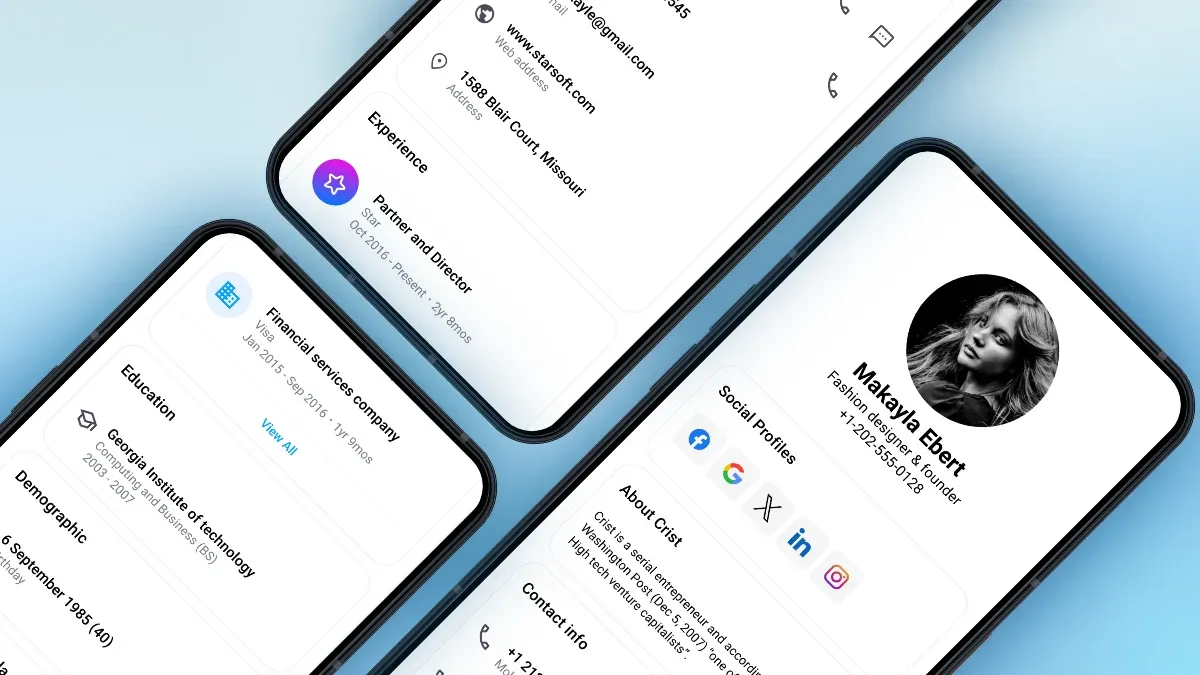
Receiving calls from unknown numbers is a common experience in today’s digital world. Some of these calls may come from legitimate sources such as businesses or service providers, while others may be spam or scam attempts.
Being able to find caller information helps users understand who is calling before deciding how to respond. Modern technologies allow users to search for caller information by number, making it easier to verify unknown callers and avoid potential risks.
This guide explains how caller identification works, what kind of data can be found, and how to use tools to identify phone numbers safely and effectively.
What Caller Information Includes
Caller information refers to the data associated with a phone number. Depending on the source and availability of data, this information can vary in detail and accuracy.
In many cases, caller information may include:
- The name associated with the phone number
- The geographic location of the number
- The phone carrier or network provider
- Spam or scam reports linked to the number
- Call activity patterns or reputation data
More advanced systems may also include user-generated feedback, indicating whether the number has been reported for suspicious activity.
It is important to understand that caller information is gathered from multiple sources, including public records, databases, and user reports. This means that not all numbers will have complete or accurate information available.

How to Find Caller Information
There are several reliable methods to find caller information, each using different technologies and data sources.
Caller ID Apps
Caller ID apps provide real-time identification of incoming calls. These apps compare phone numbers against large global databases and display available information instantly.
Tools such as caller ID services combine contact databases, spam detection systems, and user reports to help identify unknown callers before answering the phone.
These apps are especially useful for screening calls in real time and reducing the risk of answering suspicious numbers.
Reverse Lookup
Reverse phone lookup services allow users to enter a phone number and search for associated information.
This method is useful when you receive a missed call or want to investigate a number after the call has ended.
Reverse lookup tools may provide:
- Caller name (if available)
- Location data
- Phone carrier details
- Spam or fraud reports
These services are one of the most common ways to find caller information by number.
Online Databases
Online databases and search engines can also help identify unknown numbers.
Some phone numbers appear in:
- Business directories
- Public listings
- User-reported spam databases
- Online forums discussing suspicious calls
Searching a number online may reveal whether other users have reported the same number or associated it with a specific activity.
Caller Information by Number
When using lookup tools, the type of information available depends on how the number is registered and whether it has been reported.
Name
One of the most useful pieces of information is the caller’s name. If the number is linked to a public record or database, the lookup tool may display the name associated with it.
However, not all numbers are linked to identifiable names, especially personal or newly registered numbers.
Location
Many tools provide approximate location data based on the number’s registration. This may include the country, region, or city associated with the number.
Location data can help users determine whether a call is local or coming from another region.
Spam Reports
Spam reporting is a key component of modern caller information systems.
When users report suspicious calls, the data is added to shared databases. If a number receives multiple reports, it may be flagged as spam.
Public datasets also show how widespread phone scams have become. Data collected by consumer protection agencies, such as FTC data on scam reports, highlights trends in fraud and spam activity.
These reports help users quickly identify whether a number has been associated with suspicious behavior.
Limitations of Caller Information
Although caller identification tools are useful, they are not always perfect.
One limitation is that some numbers are private or hidden. Calls labeled as “No Caller ID” may not provide any identifiable information.
Another limitation is incomplete data. If a number has not been reported or does not appear in public records, lookup tools may not return any results.
Spoofed numbers also present a challenge. In these cases, the number displayed may not reflect the actual caller, making identification more difficult.
Because of these limitations, it is important to use multiple methods when trying to find caller information.
How to Verify Caller Data
Finding caller information is only part of the process. It is equally important to verify that the information is accurate.
Users can improve verification by:
- Checking multiple sources before trusting the result
- Comparing lookup results with online search data
- Reviewing user reports about the number
- Avoiding immediate trust in unknown callers
It is also important to avoid sharing personal information until the caller has been verified.
Even if a number appears legitimate, scammers may attempt to impersonate trusted organizations.
Using a combination of tools and cautious behavior helps ensure that caller information is used safely.
How Caller Information Helps Identify Unknown Numbers
Understanding how to find caller information is essential for managing unknown calls and reducing risks. Tools such as caller ID apps, reverse lookup services, and online databases allow users to find caller information by number and make informed decisions.
While not all numbers can be fully identified, combining multiple methods improves accuracy and helps detect suspicious activity. Caller information tools provide valuable insights that help users avoid spam calls and identify legitimate contacts.
By using reliable tools, verifying data carefully, and following safe call-handling practices, users can improve their ability to identify unknown callers and protect themselves from unwanted or fraudulent calls.
Похожие статьи
Top 10 Ways to Check Online Phone Number
Learn effective ways to check online phone number sources and identify unknown callers. Protect yourself from scams and verify business contacts.
How to Identify an Unknown Caller? Simple Methods That Work
Discover simple ways to identify unknown callers using phone tools, apps, reverse lookup services, and online searches. Avoid scams and missed calls.
Call Detector: How to Detect Unknown and Suspicious Calls
Learn how call detector technology works and how tools like mobile call detectors and online detection services help identify suspicious phone calls.