The Pros and Cons of Using a Disposable Phone Number
Pew Research Center's 2023 survey on data privacy found that 81% of U.S. adults feel concerned about how companies use the personal data collected about them, with 42% saying they are very worried about companies selling their information without their knowledge. A phone number is one of the most requested pieces of that data, often asked for before anyone knows exactly how it will be used.
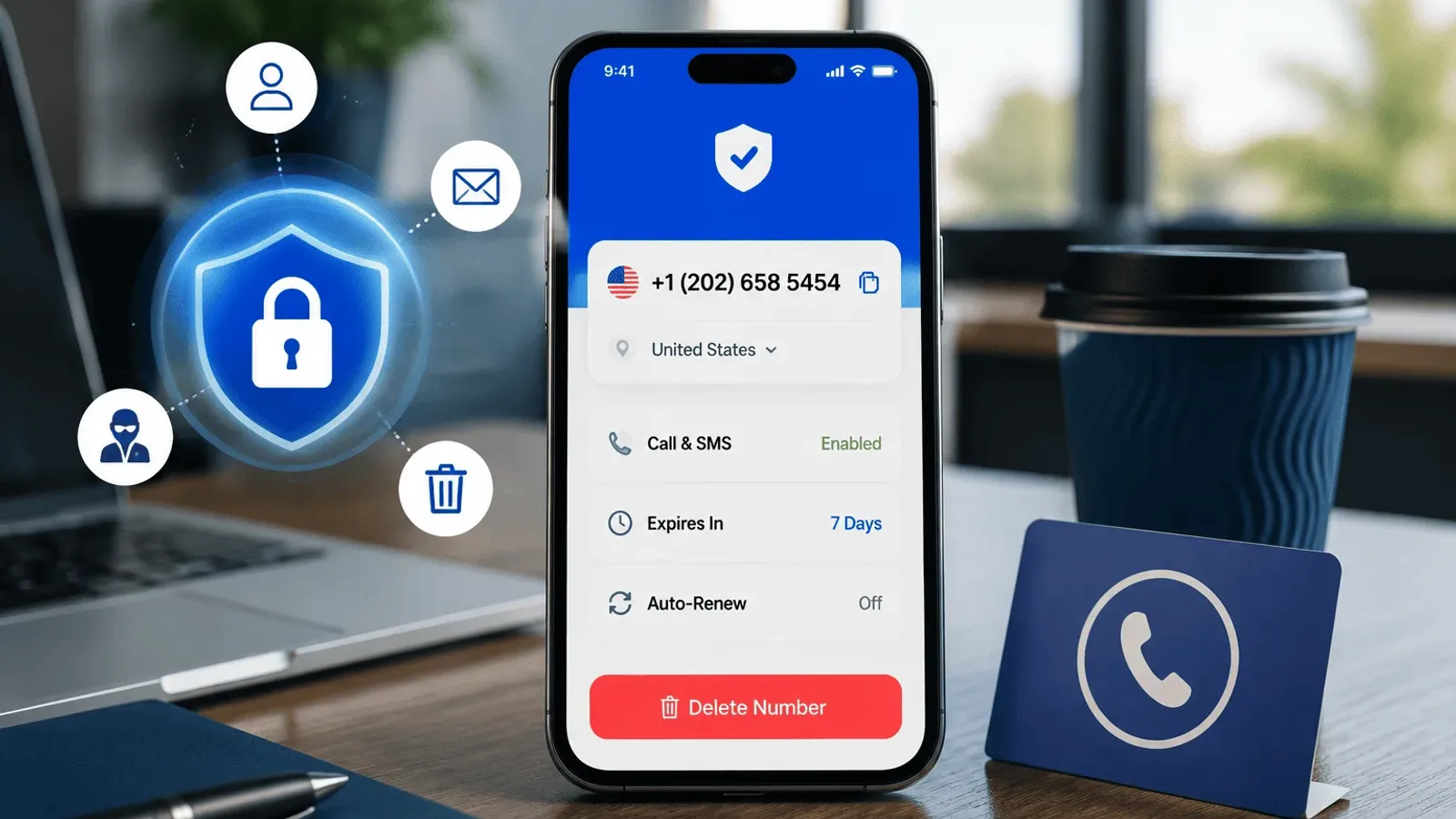
Many online services, marketplaces, apps, and websites ask for a phone number before users have any real sense of how it will be stored, shared, or resold. That uncertainty is exactly why interest in a disposable phone number keeps growing. A disposable phone number offers a way to separate personal communication from temporary online interactions.
This guide walks through when a disposable mobile number genuinely helps, where it falls short, and how to decide whether one fits your situation. It also covers what to expect if you create disposable phone number access for the first time, including which providers tend to work best for short-term needs.
Why Do People Use Disposable Phone Numbers?
People turn to disposable numbers for a handful of consistent reasons:
- Protecting a personal phone number from unnecessary exposure.
- Reducing unwanted calls and messages tied to one-off signups.
- Separating personal activity from online interactions for better organization.
- Avoiding unnecessary exposure on unfamiliar or unverified websites.
A personal phone number can quietly become a target once it appears on the wrong site. It can end up on marketing lists, get sold to data brokers, or attract scam attempts from numbers that treat it as just another entry in a spreadsheet. Disposable numbers exist specifically to keep that risk away from the number people actually rely on.

The Pros of Using a Disposable Phone Number
There are real, practical benefits to using a temporary number in the right situations. The five advantages below cover the most common reasons people reach for one.
1. Better Privacy When Sharing Your Number Online
A disposable phone number helps you avoid exposing your personal number to unknown websites or individuals. This is especially useful for online marketplaces, short-term communication, and new services you do not fully trust yet.
Limiting where your personal number actually appears reduces how often it ends up on lists you never agreed to join. Fewer places holding your real number means fewer chances for it to leak, get resold, or resurface later.
2. Helps Reduce Spam and Unwanted Messages
Separating temporary registrations from your main number can noticeably reduce marketing calls and messages. Website signups, promotions, surveys, and trial offers are common situations where a disposable number absorbs the resulting spam instead of your personal line.
Quick Tip: Even with a disposable mobile number in place, spam protection tools and caller ID still help manage suspicious calls that slip through, whether they land on a temporary number or your main one.
3. Creates a Separation Between Personal and Online Communication
Having different numbers for different purposes keeps communication organized by intent. A personal number can stay reserved for family and friends, while a disposable number handles online listings and a separate temporary number covers short-term projects.
This separation makes it much easier to recognize the purpose of an incoming call or text at a glance. It also limits how far any single leak or misuse can spread across the rest of your contacts.
4. Useful for Short-Term Situations
Several everyday situations do not require a permanent number at all. A disposable phone number covers the need without any long-term commitment in cases like:
- Selling items online, where a listing might attract dozens of unknown callers.
- Traveling, especially when a local number is more practical than roaming.
- Temporary business communication, such as a short-term project or event.
- Testing new apps or services before deciding whether they are worth trusting long-term.
Using a permanent number in these situations often creates more exposure than the interaction actually justifies. A short-term number matches the short-term nature of the communication itself.
5. Gives More Control Over Who Can Reach You
A disposable number can simply be dropped once a conversation or service is no longer needed. That is a meaningful advantage compared with changing a personal number, which can disrupt contacts, linked accounts, and two-factor authentication setups across dozens of services.
Letting a disposable number expire is a clean way to end contact without any lasting fallout. Retiring a personal number, by comparison, is rarely that simple.

The Cons of Using a Disposable Phone Number
Disposable numbers are not a universal solution, and several limitations are worth understanding before relying on one too heavily.
1. It May Not Work for Important Accounts
Some platforms actively block disposable numbers for banking, financial services, identity verification, and account recovery. These services require permanent, trusted contact information specifically because a temporary number could disappear right when it is needed most.
2. You May Lose Access to the Number
Disposable numbers can expire or become unavailable without much warning. This creates real risks, including losing account recovery access, missing important messages, and losing the history of past conversations tied to that number.
Note: Avoid using a temporary number for any account you plan to keep long-term. Backing up and syncing your contacts protects the rest of your address book, but it cannot recover access to a disposable mobile number that has already expired.
3. Limited Trust in Professional Communication
Businesses, employers, clients, and customers often prefer a stable, consistent number. A disposable phone number can come across as less reliable in professional contexts, especially for ongoing client relationships or job-related communication.
Following basic phone call etiquette helps, but it cannot fully offset the impression a temporary number can leave in a professional setting.
4. Some Services May Not Accept Them
Many platforms actively restrict verification through virtual or disposable numbers. This shows up as blocked signups, failed verification codes, or limited compatibility with certain apps that specifically screen for temporary number ranges.
Checking a service's requirements before relying on a temporary number saves the frustration of a failed signup partway through.
5. It Can Create Contact Management Challenges
Juggling multiple numbers introduces its own kind of clutter. Common issues include forgetting which number was used for which service, losing access to past conversations, and confusing temporary contacts with genuinely important ones.
- Keep a simple record of which number was used for which account or purpose.
- Review temporary numbers periodically to confirm which ones are still active.
- Separate important contacts clearly so they never get mixed up with short-term ones.
- Merge duplicate contacts that accumulate from repeated signups under different numbers.
Quick Tip: Organizing your contacts by category makes it much easier to tell a permanent contact apart from a temporary one at a glance.
Pros and Cons at a Glance
Pros:
- Better privacy when sharing a number online
- Reduces spam and unwanted messages
- Separates personal and online communication
- Useful for short-term situations
- Gives more control over who can reach you
Cons:
- May not work for banking or identity verification
- Can expire and cause lost access
- May seem less trustworthy professionally
- Some services block or restrict them
- Can create contact management challenges
When a Disposable Number Fits and When It Doesn't
Matching the number to the situation avoids most of the downsides described above. The table below summarizes the clearest cases on each side.

If you decide to create disposable phone number access for one of these lower-stakes situations, the downsides in this guide are unlikely to matter much. The picture changes quickly once the account or relationship is meant to last.
Choosing Based on How Long the Communication Really Needs to Last
Disposable phone numbers can be genuinely useful privacy tools, but they are not a replacement for secure, long-term communication. The five pros and five cons covered here both come down to the same underlying question: is this interaction temporary or important?
For short-term signups, marketplace listings, and quick verifications, disposable numbers reduce unwanted exposure without much downside. For banking, identity verification, and any account meant to last, a permanent number that stays under your control is still the safer choice.
Want extra protection for whichever number you decide to use?
Sync.me's caller ID and spam protection helps you screen unknown callers and block spam on your personal or temporary line alike.
Frequently Asked Questions
Are disposable phone numbers legal to use?
Yes, using a disposable phone number for privacy or convenience is legal in most places, as long as it is not used to commit fraud or evade law enforcement. Many legitimate services let you create disposable phone number access specifically for this purpose.
Can a disposable phone number be traced back to a user?
It depends on the provider, since some services log account information tied to the number even if the number itself is temporary. A disposable number reduces public exposure, but it does not guarantee complete anonymity.
Are disposable phone numbers safe for receiving verification codes?
They can work for low-stakes signups, but many banks and financial services specifically block verification through disposable numbers. For any account tied to money or identity, a permanent number is the safer option.
How long does a disposable phone number usually remain active?
This varies widely by provider, ranging from a single use to several months of active service. Always check the specific terms before relying on one for anything beyond a short-term need.
Can someone else get the same disposable phone number later?
Yes, many providers recycle disposable numbers once they expire or go unused for a period of time. This means old accounts or messages tied to that number could potentially become accessible to whoever receives it next.
Posts relacionados
Top 10 Ways to Check Online Phone Number
Learn effective ways to check online phone number sources and identify unknown callers. Protect yourself from scams and verify business contacts.
How to Protect Your Phone Number: 9 Simple Safety Rules
Your phone number is more exposed than you think. Follow these 9 practical rules for phone number protection and reduce your risk of spam calls and scams.