Why Do Scammers Call and Hang Up? 6 Reasons Behind Silent Phone Calls
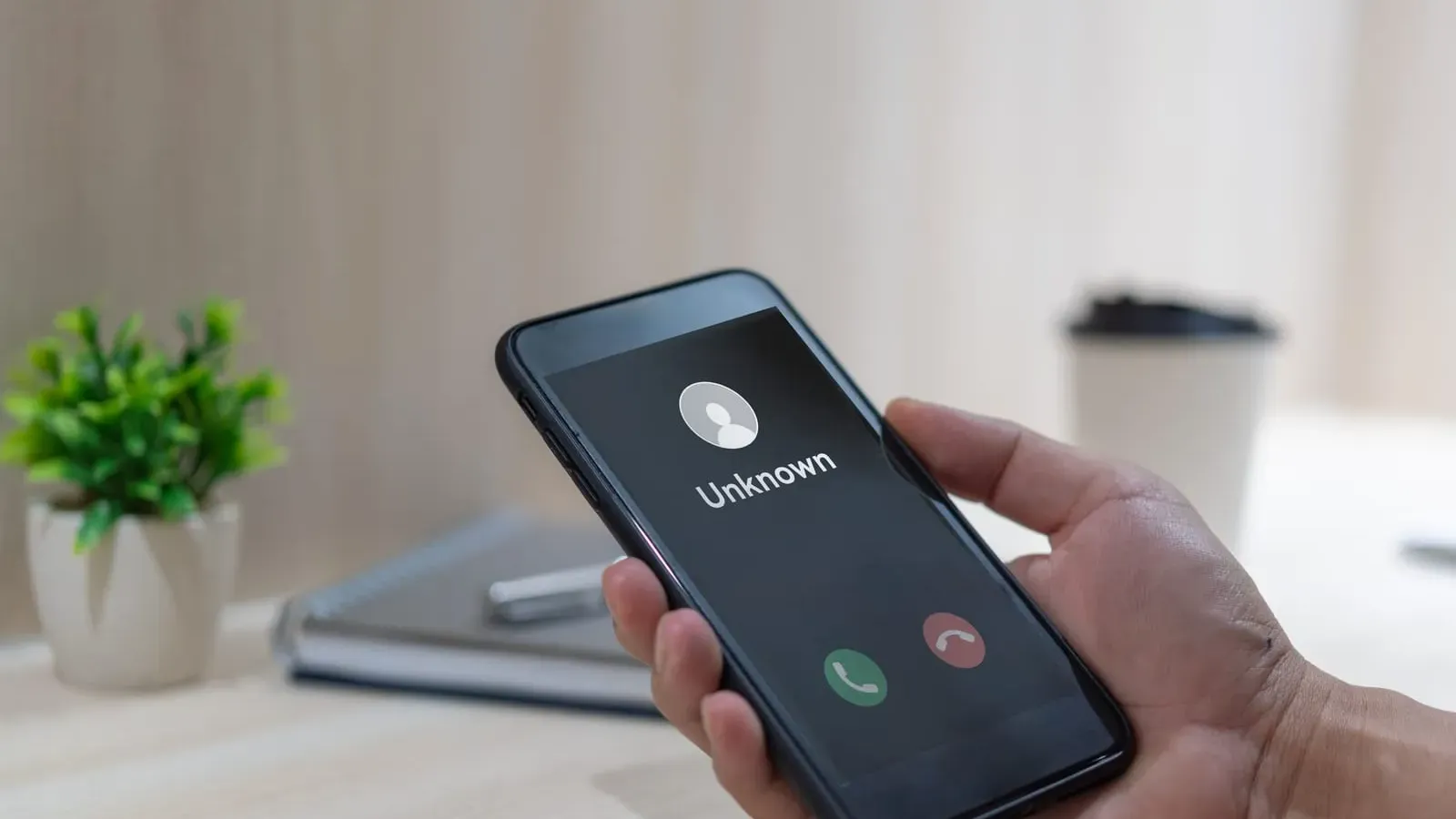
Scammers call and hang up to test whether your number is active, to tempt you into calling back, or to prepare a later scam, though some silent calls have ordinary technical causes. The call itself is usually just the first step in a longer plan.
The pattern is familiar. Your phone rings, you answer, and the line goes quiet, or the caller disconnects. A moment later, you wonder who it was and whether you should call back.
Silent phone calls usually come down to automated dialing systems, scam campaigns, or attempts to get you to return the call. Imposter scams are a big part of the picture: the FTC reported in June 2026 that people lost $3.5 billion to imposter scams in 2025, and phone calls are one of the ways those scams reach people.
This guide walks through six possible reasons behind silent calls, explains when they are harmless, and shows you how to respond safely.
Why Do Scammers Call and Hang Up? 6 Possible Reasons
Scammers call and hang up for six main reasons, and each one serves a different goal.

1. They Are Checking Whether Your Phone Number Is Active
Automated campaigns use very short calls to find numbers that connect to real people. A call that rings and drops costs the sender almost nothing, so one system can test thousands of numbers in an hour.
If your number answers, it may be marked as live and called again. That is one answer to why scam calls hang up so quickly: the test is over the moment someone picks up.
One silent call does not prove your number has been confirmed or added to a scam list. Repeated calls from different numbers are a stronger sign.
2. They Want You to Call Back
One answer to why scammers call and hang up is that a short missed call triggers curiosity, and many people return it without thinking. This tactic is often called a one-ring or callback scam.
The risk is that the number you call may be an international or premium-rate line that charges high fees per minute. Returning an unfamiliar call automatically can cost you money before you learn who called.
Check the number before you dial.
Our guide to callback traps and why calling back an unknown number can cost you explains what to look for.
3. An Automated Dialer Has No Agent Ready
Call centers and automated systems often dial many numbers at once and connect the first person who answers to a free representative. If every agent is busy, you may hear silence or the call may disconnect right away.
This is why random number calls and hangs up can happen even with legitimate organizations.
Silent calls can also come from technical or operational problems, so a quiet line alone does not point to a scam.
4. They Are Preparing for a Follow-Up Scam
A brief call can be the opening move in a larger campaign. Later calls or text messages may follow with a fake bank alert, an account warning, a delivery problem, or a message from someone pretending to be a trusted organization.
The silent call gives the scammer a live number to work with. This is another reason why do scam calls hang up so early: the real pitch comes later, and a message that follows a mysterious call feels more believable.
Treat any unexpected request for money, codes, or sensitive information with caution, no matter how official it sounds.

5. They Are Using Caller ID Spoofing
Spoofing helps explain why scammers call and hang up from local-looking numbers: it lets them change the number shown on your screen. A silent call from your own area code may seem harmless, which is exactly the point.
Silent calls from spoofed numbers can be followed by calls that imitate a business or trusted organization.
Our article on spoofing vs phishing explains how scammers combine these tactics.
A local area code does not establish who is calling.
6. They Are Trying to Catch You Off Guard
An unexpected call can create confusion, curiosity, or anxiety, and scammers use that moment. Many people say "Hello? Who is this?" and keep talking into the silence.
That habit can hand the caller your voice, your name, or your reaction. Scammers may also wait for you to speak first and then tailor their story to what you volunteer.
The safest move is to end a silent or suspicious call rather than trying to engage the caller.


Are Silent Calls Always a Sign of a Scam?
No, silent calls are not always a scam, and a single one is rarely enough to worry about. Several ordinary causes can produce the same experience.
- Automated dialing errors. A system may connect a call and then fail to route it.
- Poor network connections. Weak signal or dropped data can cut the audio.
- Delays connecting to an agent. A call can disconnect while the system searches for a free representative.
- Accidental calls. A pocket dial or an immediate disconnection can look suspicious.
Some patterns carry more meaning than one quiet call. Repeated calls, suspicious follow-up messages, and requests for personal information are stronger warning signs than silence alone.
Before you decide why scammers call and hang up in your case, ask whether the pattern repeated and whether anything arrived afterward asking for money or details. If so, take it seriously.

What Are the Risks of Reacting to a Silent Call the Wrong Way?
The biggest risk is acting on impulse, because a quick callback or a chatty reply can cost you money or information. Understanding why do scammers call and hang up shows the reason: they count on a fast reaction.
- Surprise charges. A returned call to a premium-rate or international line can add fees to your phone bill.
- A confirmed number. Answering and speaking can mark your number as active and invite more calls.
- Voice and detail exposure. Saying your name or details gives a scammer material for a later conversation.
- Panic decisions. A scary follow-up message can push you to pay or share a code before you check it.
There is also a risk in the opposite direction. If you silence every unknown number, you may miss real calls from a doctor, a delivery driver, or a school.
Our piece on silencing unknown callers and what you might miss covers that balance.

How Can You Respond to Silent and Hang-Up Calls Safely?
You can respond safely by not calling back, not engaging, and using screening tools to filter the calls that follow. Whatever the motive behind a given call, the same short routine works.
- Do not return the call right away. Wait and see whether a voicemail, text, or repeat call arrives.
- Look up the number first. A quick search or a caller ID tool can show whether others have reported it.
- End silent calls quietly. Hang up without speaking and without pressing any keys.
- Ignore follow-ups that create urgency. Contact the bank or company through its official website or app, never through the number in the message.
- Block and report the number. Blocking stops repeats from that line, and reports help others spot the pattern.
- Turn on spam screening. A spam call blocker can flag and block numbers reported as spam before you pick up.
Sync.me caller ID can help you check an unfamiliar number before you decide what to do. You can also report a suspicious number on the Sync.me spam and fraud report page. A number that looks clean is still not a guarantee, so keep your guard up.
- Note: Scammers calling and hanging up are usually testing numbers, tempting callbacks, or preparing a follow-up scam, and the safest response is to avoid calling back and to verify the number first.
Why Do Scammers Call and Hang Up, and What Should You Do About It?
Scammers calling and hanging up are testing numbers, baiting callbacks, or setting up a larger scam, but technical problems can produce the same experience. A calm response protects you in both cases.
Avoid impulsive callbacks, verify unfamiliar numbers, and use screening and reporting tools to cut down on repeats. Repeated calls and urgent messages say more than a single silent ring.
Once you understand why scammers call and hang up, a silent call becomes easier to handle. You can let it go without worry and save your attention for calls that matter.
Stop Unwanted Silent Calls Before They Ring Your Phone
Download Sync.me to identify unknown callers and block spam before you answer.
Frequently Asked Questions
Why do scam calls hang up as soon as I answer?
Often, the call is a number test, which is the simplest answer to why scammers call and hang up. Once you pick up, the caller has what they need, so hang up and do not call back.
Can answering a silent call give the caller access to my phone's microphone or data?
Answering a call does not give the caller access to your microphone or data. The risk comes from what you say, press, or click afterward. Avoid sharing details and do not follow links sent later.
Why do I hear background noise or a faint voice before a silent call disconnects?
You may be hearing a call center or an automated dialer connecting your call to an agent. The noise often means a system is trying to find a free representative. It can also come from a weak connection.
Can silent calls continue even after I change my phone number?
Yes, they can. Dialers sometimes try sequential or random numbers, so a new number can be reached too. Screening tools and not answering unknown calls help reduce them.
Should I report a silent call if the number appears to belong to a real person?
Yes, if the call looks suspicious or repeats. Scammers often spoof real people's numbers, so the owner may not be involved. You can report it on a site such as Sync.me and to your national consumer agency.
Post correlati
How to Report Spam Numbers and Protect Others from Scammers
Learn how to report spam numbers, where to submit spam phone reports, and how community reporting helps improve spam call detection and protection.
How Fake Bank Calls Work and What Scammers Want From You
Bank phone scams are built to sound urgent and official. Learn how scam phone calls from a bank actually work and how to verify one before you react.
Silence Unknown Callers: Pros, Cons, and What You Might Miss
Learn how Silence Unknown Callers works, its pros and cons, what calls you might miss, and how caller ID helps balance fewer interruptions with safety.