Fake Toll Scams: Why You're Getting "Unpaid Toll" Messages
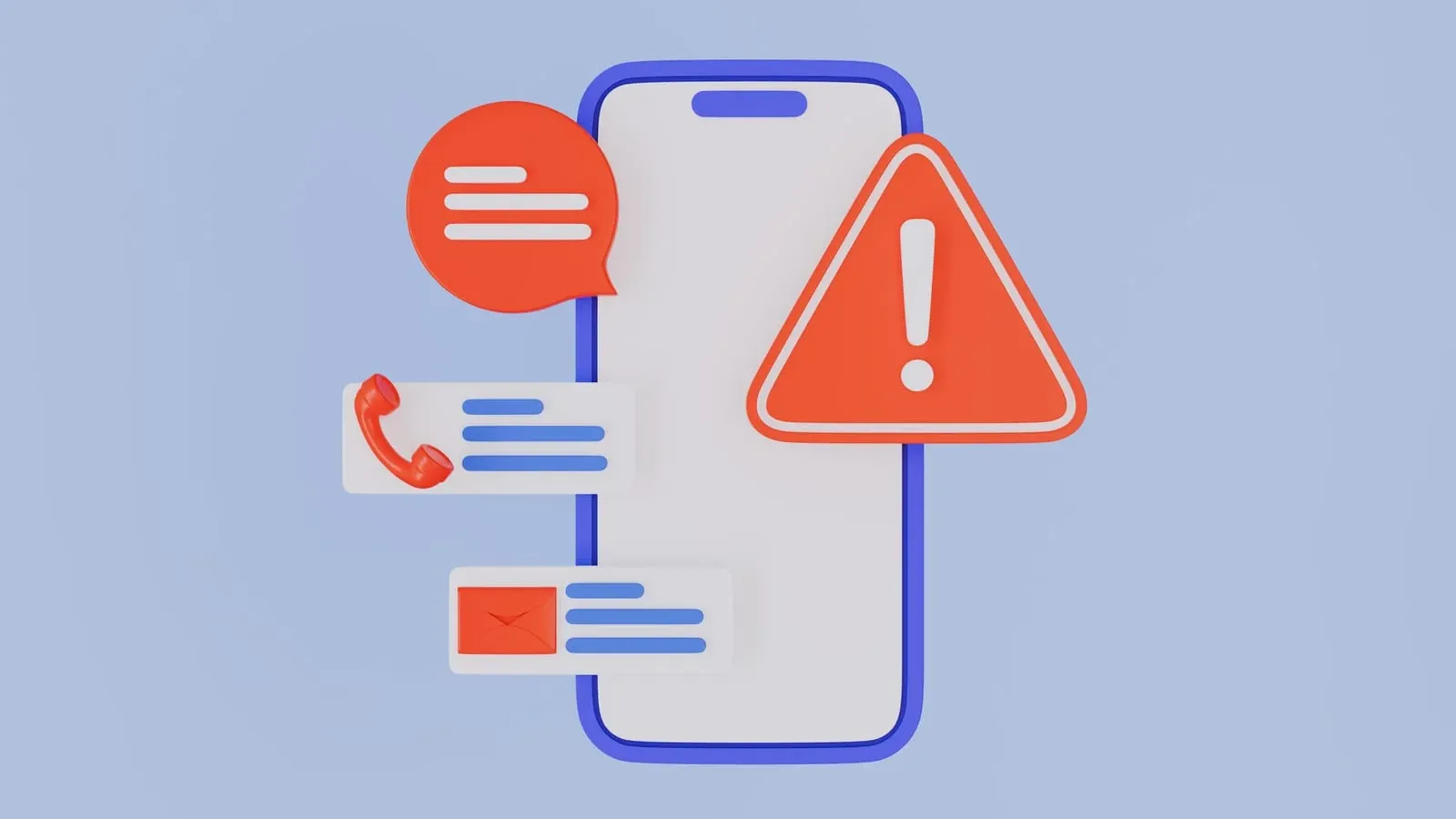
A text claiming you owe money for a toll you never drove through is rarely a coincidence. The FBI's Internet Crime Complaint Center received more than 59,000 complaints in 2024 about exactly this scam, after an early surge of over 2,000 reports within just the first few weeks of the campaign. Drivers across dozens of states have opened the same message: a small unpaid balance, a looming late fee, and a link to "settle" it immediately.
A fake toll scam is a type of phishing attack, and it is designed to steal one of three things: your payment card details, your login credentials, or enough personal information to use against you later. Understanding how a fake toll scam text message actually works makes it far easier to recognize the next one that lands on your phone.
What Is a Fake Toll Text Scam and How Does It Work?
A fake toll text scam is a fraudulent SMS message pretending to come from a toll agency, a state highway authority, or an electronic toll payment service. Scammers imitate these real organizations closely enough that the message looks routine at first glance, right down to matching the agency's name and general tone.
The Typical Scam Process
Most fake toll scam text campaigns follow the same basic method, regardless of which state or agency they claim to represent.
- Mass text distribution. Scammers send the same message template to thousands of phone numbers at once, with no regard for who actually owns a vehicle or drives on toll roads.
- Creating a believable unpaid toll claim. The message states a small outstanding balance, usually just a few dollars, along with a larger late fee if payment is not made quickly.
- Redirecting victims to fake websites. A link in the text leads to a page designed to imitate the real toll agency's site closely enough to fool a quick glance.
- Using stolen information. Once a victim enters payment details or login credentials, scammers use or sell that information almost immediately.
Quick Tip: If you plan to report the text, take a screenshot before deleting it. The sender's number and the fraudulent link are exactly what agencies like the IC3 use to track these campaigns.

Why Are You Getting "Unpaid Toll" Messages When You Don't Owe Money?
Getting a fake toll scam text does not mean your vehicle was recorded on any toll road, and it does not mean your information was specifically targeted. A few different factors usually explain why the message landed on your phone at all.
Random Targeting: You May Not Be the Intended Customer
Scammers typically send these messages broadly rather than targeting specific drivers. Receiving a toll text is not confirmation that your car used a toll road, or that any agency actually has a record connected to your number.
Data Exposure and Phone Number Availability
Phone numbers used in these campaigns often come from data leaks, public databases, old marketing lists, or simple automated number generation. None of these sources require a scammer to know anything true about your driving habits.
Location-Based Scam Campaigns
Some fake toll scam text messages are customized using a state name, a local toll agency, or general regional driving patterns to feel more believable. A message referencing a toll system near you does not confirm it is legitimate, since scammers frequently swap in local details specifically to make the message feel plausible.
What Do Fake Toll Text Messages Usually Look Like?
Fake toll text scam messages tend to follow a recognizable pattern once you know what to look for. The formatting and urgency rarely change much from one campaign to the next.
Common Signs of a Toll Scam Text
- An unexpected unpaid toll notification for a trip you do not recall taking.
- An extremely small balance request, often just a few dollars.
- Urgent language such as "pay immediately," "avoid penalties," or "your account will be suspended."
- A link that does not match the official toll agency's actual website address.
- A request for personal or payment information sent directly through text.
- Poor grammar, unusual spacing, or formatting that feels slightly off.
Examples of Scam Message Tactics
Without reproducing an actual scam link, the wording in these messages tends to follow a few common templates:
- Claims of "an outstanding toll balance" on your account.
- Statements that "your toll payment failed" and needs to be resubmitted.
- A "final notice" warning of additional charges if you do not act quickly.
- Threats to "pay now to avoid legal action" or referral to collections.
How Can You Tell If an Unpaid Toll Message Is Real?
You can tell a real toll notice from a fake one by verifying it independently rather than trusting anything inside the text itself. A few simple checks cover almost every situation.
Check Through Official Channels
- Visit the official toll agency's website manually by typing the address yourself instead of tapping any link.
- Log into your existing toll account, if you have one, to check for real charges.
- Contact the agency directly using a phone number listed on its official website, not one included in the text.
- Avoid clicking any link inside an unexpected text, even if it looks like it matches the agency's branding.
Compare the Message With Your Actual Travel History
A few quick questions usually settle the matter. Did you actually drive on a toll road recently? Do you even have an account with the agency named in the text? Does the toll system mentioned match roads anywhere near where you actually drive?
Look for Authentication and Contact Details
Legitimate toll organizations typically offer clear account access, verifiable customer service information, and consistent branding across their communications. A text-only demand with no other way to verify your account is one of the clearest signs something is wrong.

What Should You Do If You Receive a Fake Toll Text?
The safest response to a suspected fake toll scam text is to avoid interacting with it entirely and report it through the right channel. A few clear steps cover most situations.
Do Not Click the Link
Opening a scam link can expose you to a fake login page, malware installed on your device, or a data collection attempt disguised as a payment form. None of these risks require you to enter any information; simply loading a compromised page can be enough in some cases.
Avoid Replying to the Message
Responding to a scam text, even to complain, confirms that your number is active and being read. This often leads to more spam and scam messages rather than fewer, since active numbers are considered more valuable to scammers.
Report and Delete the Scam Text
- Report the message through your phone carrier's spam reporting tool, often by forwarding it to 7726.
- File a report with a government scam reporting platform, such as the IC3 or the FTC.
- Block the sender's number to prevent immediate follow-up messages.
Note: Reporting these messages does more than protect you individually. It helps agencies like the IC3 track which domains and phone numbers are actively being used across a campaign.
If You Entered Your Information
- Contact your bank or card provider immediately to flag the transaction and request a new card if needed.
- Change any passwords connected to the account or information you entered.
- Monitor your accounts closely for unfamiliar charges or login activity over the following weeks.
- Report possible identity theft to the FTC if you shared sensitive personal information beyond payment details.
Real Toll Notice vs. Fake Toll Text

This pattern shows up constantly across phone-based smishing and vishing campaigns, since toll scams are simply one specific version of a much broader tactic.
Learning how smishing scams disguise malicious links in ordinary-looking texts makes the pattern easier to recognize the next time it shows up in a different disguise.
Verify Independently, Every Time
Unexpected unpaid toll texts are almost always phishing attempts rather than legitimate notices, regardless of how official they look. Verifying messages independently, avoiding suspicious links, and protecting personal information are the three habits that stop this scam from working.
Better awareness of unfamiliar numbers and stronger spam protection reduce exposure to this scam and the many others that follow the same basic playbook. The specific wording changes by state and by campaign, but the underlying trick, a small urgent request from an unverified source, stays exactly the same.
Want an easy way to check unfamiliar numbers before you engage?
Download the free Sync.me app to identify unknown callers and flag known scam numbers automatically.
Frequently Asked Questions
Can scammers send toll texts even if they know my license plate number?
Yes, but knowing a license plate number does not require any connection to actual toll usage, since this information can come from public records or unrelated data leaks. A text referencing specific details is not proof that an agency has a real record tied to your account.
Are toll agencies allowed to send payment reminders by text message?
Some legitimate toll agencies do offer optional text alerts, but only for accounts you have specifically signed up for and opted in to. An unsolicited fake toll scam text message about an account you never created is a strong sign of a scam rather than a real reminder.
What happens if I accidentally open a fake toll scam link but do not enter information?
Simply opening the link carries some risk depending on the page, but the greater danger comes from entering payment or login details. Closing the page without submitting any information significantly limits your exposure, though monitoring your accounts afterward is still a good precaution.
How can I check whether a toll agency's website is legitimate?
Type the agency's name into a search engine directly instead of using any link from a text, and confirm the URL matches the agency's official domain. Most legitimate toll agencies also offer account login and customer service contact information that a scam site will not have.
Why do scammers often request very small toll payments instead of larger amounts?
Small amounts, often just a few dollars, feel too minor to question closely, which makes people more likely to pay quickly without verifying. The actual goal is rarely the small payment itself; it is the payment card details or login credentials entered in the process.
Articles similaires
What is Smishing? Everything You Need to Know About Text Message Scams
What is smishing? Learn how text message scams work, how to identify dangerous links, and the immediate steps to take if you accidentally click one.
8 Common Scam Texts Everyone Should Learn to Recognize
Learn about common scam texts, including fake delivery alerts, bank warnings, job offers, and more. Discover warning signs and safe ways to respond.