What is Smishing? Everything You Need to Know About Text Message Scams
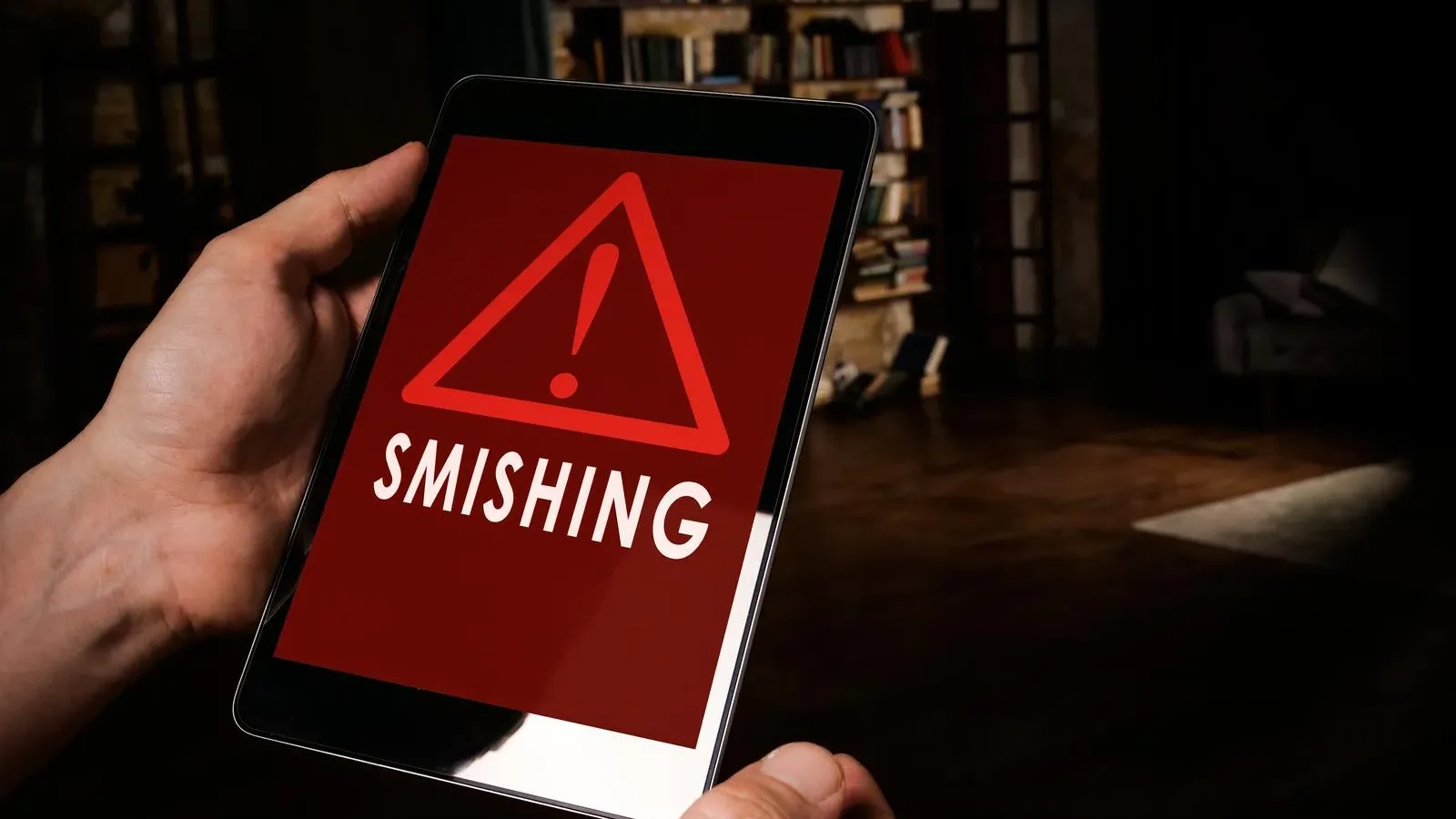
According to the FTC, consumers reported $470 million in losses to text message scams in 2024 alone, five times more than in 2020. Smishing text scams are one of the fastest-growing forms of fraud today, and most people encounter them without recognizing what they are.
Smishing is a phishing scam carried out through SMS or text messages. The name combines "SMS" and "phishing." Scammers send fake texts that appear to come from a trusted source, like your bank, a delivery company, the IRS, a mobile carrier, or even someone you know, and they use that false trust to get you to click a link, call a number, reply, or share personal information.
What makes smishing attacks so effective is their delivery channel. Text messages feel personal and immediate in a way that emails don't. People open them faster, read them with less skepticism, and act on them before thinking too carefully. That instinct is exactly what scammers count on.
How Does a Smishing Scam Work?
A smishing scam follows a predictable three-step pattern. Understanding it makes the whole thing much easier to spot in real time.
1. You Receive a Fake Text Message
The message appears to come from a familiar source: a bank, a shipping company, a toll authority, a phone carrier, or an online retailer. It may include your name, reference a recent order, or mention an account you actually use.
The text typically contains a suspicious link, a phone number to call, or a request to reply with information. The sender's number may look local, appear as a name rather than a number, or be completely unrecognizable.
2. The Message Creates Pressure
The core tool in every smishing attack is urgency. Common messages include:
- "Your account has been locked. Verify your identity immediately."
- "Your package cannot be delivered. Confirm your address to reschedule."
- "You have an unpaid toll fee. Pay now to avoid a fine."
- "You've been selected for a reward. Claim it before it expires."
- "Suspicious activity detected. Respond to secure your account."
That pressure is designed to stop you from pausing. The faster you feel you need to act, the less likely you are to question whether the message is real.
3. The Link or Reply Leads to the Scam
Once you click, reply, or call, the scam begins in earnest. Clicking a link usually takes you to a fake website that looks nearly identical to the real brand's page. From there, you may be asked to enter a password, card number, Social Security number, or a one-time verification code.
Some smishing text scams work differently. Instead of collecting data immediately, they start a conversation to build trust before eventually asking for money or sensitive details. These "wrong number" style attacks can unfold over days before the real request arrives.

What Are the Most Common Types of Smishing Text Scams?
Smishing attacks come in a handful of well-worn formats. Recognizing the type makes the red flags easier to spot.
- Bank or Account Alert: Claims your account is locked, fraud was detected, or a transfer is pending—aiming to steal your login credentials, card details, or verification codes.
- Package Delivery: Claims a shipment is delayed, held, or needs address confirmation—aiming to gather personal details or collect payment for fake fees.
- Toll, Parking, or Fine: Claims an unpaid fee is overdue and penalties are accumulating—aiming to get you to send a payment via a link or enter card details.
- Prize or Gift Card: Claims you've won a reward, refund, or loyalty bonus—aiming for personal info or card details to "claim" the prize.
- Wrong Number or Conversation: Starts with a message sent "by mistake" to kick off a friendly conversation—aiming to eventually lure you into money, crypto, or investment schemes.
Package delivery scams are among the most widely reported. They work because nearly everyone is expecting something. A vague message about "your shipment" lands convincingly because it could apply to almost anyone.
What Are the Warning Signs of a Smishing Attack?
These signals don't require technical knowledge to spot. If a text checks even two or three of these boxes, treat it with real suspicion.
- The text comes from an unknown number or a number that doesn't match the organization it claims to represent.
- The message creates sudden urgency or fear.
- There are spelling mistakes, awkward phrasing, or strange formatting.
- The link doesn't match the official company website. Look carefully at the full URL, not just the first word.
- The sender asks for passwords, verification codes, payment details, or personal identification.
- The message tells you not to contact anyone else or not to call the official number.
- The text asks you to call a phone number that isn't listed on the company's real website.
- The offer, fine, or alert feels generic and doesn't reference specific account details you would expect.
A real bank, delivery company, or government agency will never ask for a password or card number through a text message. If a message asks for that, it's a scam.
What Should You Do If You Receive a Suspicious Text?
The right response takes under two minutes and could save you from a serious loss.
Do Not Click the Link
Links in smishing texts lead to fake websites designed to harvest your information, and sometimes to pages that attempt to install malicious software on your device. If you need to check the status of a package, bank account, or bill, go directly to the company's official app or website, not through the link in the message.
Typing the address yourself or searching for it takes an extra thirty seconds. Those thirty seconds are the only barrier between you and a scam.
Do Not Reply With Personal Information
Never send passwords, verification codes, card details, or ID numbers in response to a text. Real companies rarely, if ever, request sensitive data through SMS.
If a message asks you to reply with a one-time code, stop immediately. That is one of the most reliable signs of an account takeover attempt.
Check the Sender Before Acting
Look at the sending number carefully. Does it match a saved contact? Does it match the official number listed on the company's website? Is it a random string of digits with no recognizable pattern?
If the text includes a phone number to call, do not call that number without verifying it first. Look up the company's real contact number independently and call that instead.
Use Caller ID and Spam Detection Tools
Many smishing attacks include a callback number, because a live conversation is more persuasive than a text. Before calling any number you received in a suspicious message, check whether it's already been flagged.
Sync.me lets you look up unknown numbers and see whether they've been reported as spam or scam activity by other users. If the number from a suspicious text shows up as flagged in Sync.me's database, that's a strong signal to stay away. This is one of the fastest ways to spot whether a "company representative" you're about to call is actually a scammer waiting on the other end.
You can also learn more about how Sync.me's spam detection works to understand what gets flagged and why.
Report and Delete the Message
Most phones and carriers have a built-in option to report spam texts. In the US, you can forward suspicious texts to 7726 (SPAM), which goes directly to your carrier. You can also report smishing scams to the FTC at reportfraud.ftc.gov.
After reporting, delete the message. Keeping it around increases the risk of accidentally tapping the link later.

What If You Already Clicked a Smishing Link?
Clicking a link doesn't automatically mean you've been compromised. What matters most is what happened next and how quickly you act.
- Do not enter any further information. If you opened a page but didn't submit anything, close it immediately and don't go back.
- Change your passwords for any accounts connected to the brand the message impersonated.
- Contact your bank or card provider right away if you entered any financial details. Ask them to flag your account and reverse any unauthorized charges.
- Enable two-factor authentication on important accounts if it isn't already on.
- Watch for follow-up scam calls or texts. Once your number is flagged as a responder, scammers may follow up with phone calls.
- Run a security check on your device if your phone prompts you to install anything or if it starts behaving unusually after clicking.
- Report the scam to your carrier, the FTC, or your country's fraud reporting authority.
The sooner you act, the less damage a smishing attack can cause.
Smishing Is a Solvable Problem
The most effective defense against a smishing scam is a single habit: pause before you act on any unexpected text. Scammers win by rushing you past the moment where skepticism would kick in.
If you get a text that creates urgency, go directly to the source. Open the company's official app. Call the number on the back of your card. Look up the organization's real website. Never use the link, number, or contact method inside the suspicious message itself.
Safer communication starts with knowing who is reaching out to you and verifying it before responding. Tools like Sync.me make that easier, especially when a smishing text pushes you toward a phone call. When you can check a number before dialing, you stay in control.
Get Sync.me free and know what's behind every call or number before you respond.
Frequently Asked Questions
What is the difference between smishing and regular spam texts?
Spam texts are unsolicited messages, often marketing or promotional, that are annoying but generally harmless. Smishing is a criminal scam: it's designed to steal money, credentials, or personal information by tricking you into clicking a link, calling a fake number, or sharing sensitive details. The key difference is intent. Spam wants your attention; smishing wants your data.
How can I tell if a text message link is fake?
Look at the full URL carefully before tapping. Legitimate companies use their own domains, so a delivery text from FedEx should link to fedex.com, not a variation like fedex-track.net or delivery-confirm.co. Subtle misspellings, added words, or unusual domain endings are all signs of a fake link. When in doubt, go directly to the company's app or website instead of using the link.
Should I call a phone number included in a suspicious text?
Not without verifying it first. Look up the company's official contact number through their real website or the back of your card and call that instead. If you want to check whether the number in the text has already been flagged as suspicious, tools like Sync.me let you look it up before dialing.
Can a smishing scam lead to scam phone calls, too?
Yes, often. A common pattern starts with a text and follows up with a call from someone posing as a fraud investigator, support agent, or company representative. Responding to a smishing text signals that your number is active and reachable, which can put you on a call list for follow-up scams. This is one reason reporting and deleting suspicious texts quickly matters.
Should I block, delete, or report a smishing text first?
Report first, then delete. In the US, forward the message to 7726 (SPAM) before deleting it so your carrier can investigate the number. You can also report it to the FTC at reportfraud.ftc.gov. After reporting, delete the message so you don't accidentally tap the link later. Blocking the number is useful, but it won't stop the same scammers from contacting you through different numbers.
Ähnliche Beiträge
10 Common Phone Scams That Still Fool Thousands Every Week
Learn the 10 most common phone scams targeting people right now. Understand how each one works and how to protect yourself before you pick up.
How Spam Detection Helps Identify Suspicious Calls Before You Answer
Learn how spam detection works and how modern tools detect spam calls before you answer. Discover spam call types, warning signs, and ways to reduce unwanted calls.