How to Find the Owner of a Phone Number: 7 Proven Methods
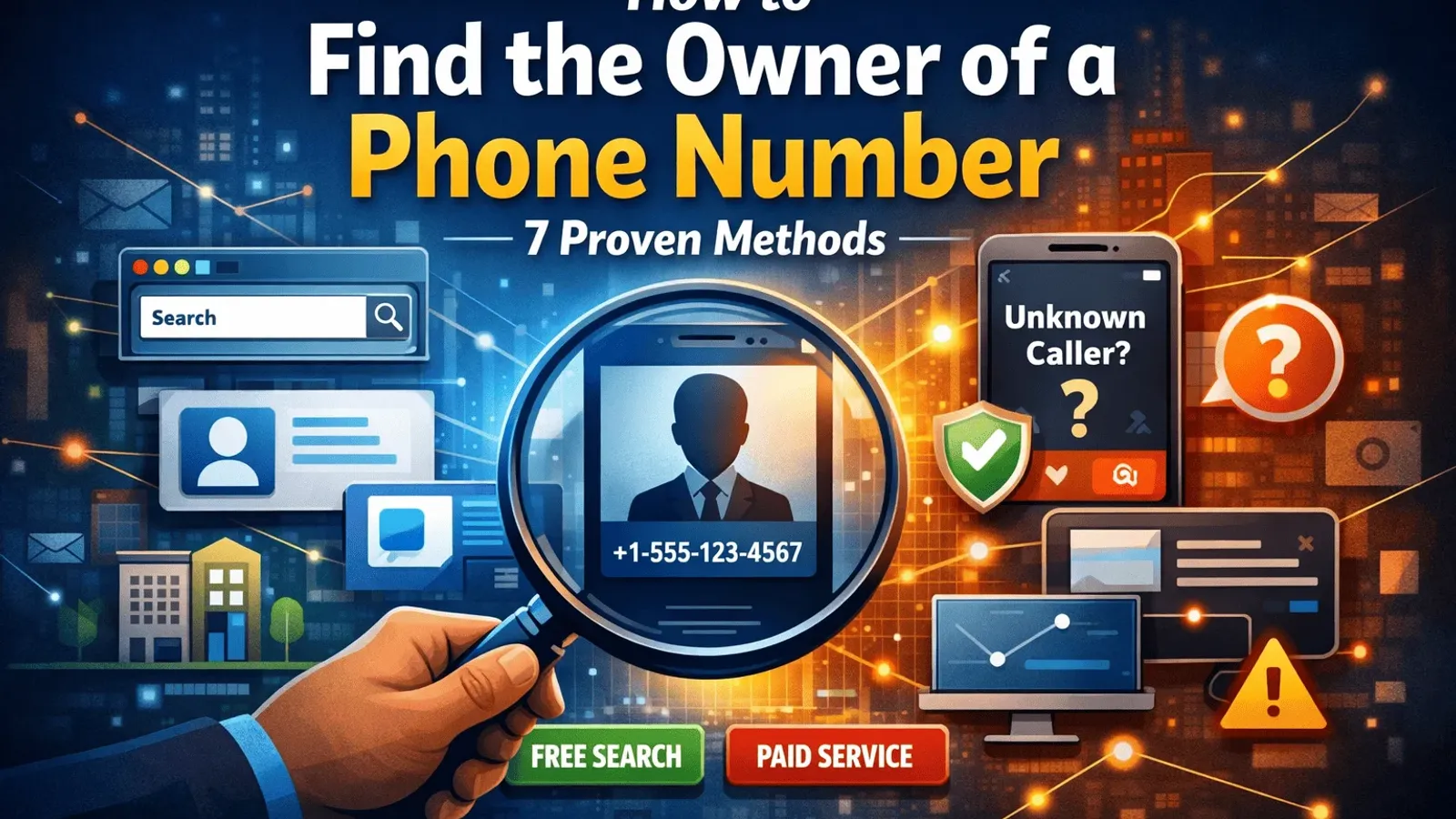
A missed call from an unknown number can trigger anything from mild curiosity to serious concern. Whether it’s a potential scam, a business inquiry, or a forgotten contact, understanding who is calling matters. Modern lookup tools and public data make identification possible — within legal and ethical limits.
Why People Search for the Owner of a Phone Number
People search for unknown numbers for practical reasons. Some want to avoid spam or robocalls. Others worry about fraud attempts or repeated silent calls. In professional settings, verifying an unfamiliar contact can prevent miscommunication or security risks. Even personal curiosity plays a role when a number appears multiple times without context.
The growing volume of automated calls and data-sharing platforms has made phone number lookup a common digital habit. At the same time, privacy regulations shape what information can legally be accessed, which is why understanding the right approach matters.
Is Finding the Owner of a Phone Number Legal?
Searching for phone number ownership is legal when you rely on publicly available records, opt-in databases, and approved lookup services. Privacy laws in the US and Europe restrict access to confidential subscriber data, medical records, or financial details. Legitimate services work within these boundaries by aggregating public listings, user-reported data, and business registries.
Illegal databases promising “private subscriber data” or “hacked carrier records” should be avoided. They violate data protection rules and often expose users to scams themselves. Responsible lookup methods stay transparent about data sources and limitations.

How to Find the Owner of a Phone Number Using Proven Methods
Modern caller identification relies on a mix of public directories, crowd-sourced reports, search indexing, and telecom metadata. No single method is perfect — accuracy comes from combining approaches.
1. Reverse Phone Lookup Services
Reverse lookup platforms compile public records, user reports, and directory listings into searchable databases. They are often the fastest first step. Many services show the caller's name, location, region, and spam risk indicators. Accuracy improves when multiple data sources overlap.
2. Search Engines
Typing a full phone number into a search engine can reveal surprising results. Numbers often appear on business websites, classified ads, forums, review pages, or scam report boards. This step sometimes solves identification instantly, especially for commercial callers.
3. Social Media Search
Many people link phone numbers to social media or messaging apps. Searching inside platforms can reveal profile matches or registered accounts. Profile photos or usernames can help confirm whether the caller is familiar.
4. Caller ID Apps
Caller ID applications use crowd-sourced databases where users label spam, telemarketers, or known businesses. These apps display caller names or warnings during incoming calls and improve recognition rates over time.
5. Online Directories
Public phone directories and online listing services remain useful, especially for landlines and registered business numbers. Many directories compile address records, company contacts, and regional listings that are accessible under public data laws.
6. Business Listings
If the number belongs to a company, business directories, review platforms, and map listings often confirm official contact information. Cross-checking business records helps avoid phishing attempts where scammers impersonate real brands.
7. Personal Network
Sometimes the simplest solution is asking colleagues, friends, or family. Shared contact networks often recognize local numbers or business lines that automated systems don’t identify yet.
Free vs Paid Search Tools
Free Lookup Tools
Free lookup tools rely on publicly available data, caller ID records, and community spam reports. They can indicate spam risk, show approximate location, or identify known business categories.
However, free tools rarely provide verified ownership details, and their databases may update slowly. For one-time checks or basic screening, they are usually sufficient.
Paid Lookup Services
Paid lookup services combine multiple data sources, including expanded public records, business registries, historical listings, and premium databases. Many use advanced matching algorithms to reduce false results and improve consistency.
These services are valuable for business verification, repeated unknown calls, or situations where accuracy matters most.
Accuracy Factors
No lookup method guarantees perfect identification. Accuracy depends on whether the number appears in public records, how often users report it, and whether it is a mobile, VoIP, or landline connection. Caller ID spoofing and privacy blocking can also limit results.
Cross-checking multiple tools remains the most reliable way to confirm ownership.
Conclusion
Modern technology has made identifying unknown callers easier than ever, but privacy laws define clear boundaries. Responsible tools, combined methods, and realistic expectations provide the safest path to results.
Understanding how to find the owner of a phone number requires balancing curiosity, security, and privacy. Legal lookup services, search indexing, caller ID systems, and public records each contribute to the process. Used together, they form a reliable approach for everyday identification needs.
At the same time, respecting data protection rules ensures that searches remain ethical and safe. As spam and robocalls continue evolving, informed users stay one step ahead by applying proven, lawful, and practical identification methods.
Ähnliche Beiträge
Top 10 Ways to Check Online Phone Number
Learn effective ways to check online phone number sources and identify unknown callers. Protect yourself from scams and verify business contacts.
How to Identify an Unknown Caller? Simple Methods That Work
Discover simple ways to identify unknown callers using phone tools, apps, reverse lookup services, and online searches. Avoid scams and missed calls.