Why Are You Getting So Many Spam Calls? 7 Common Reasons
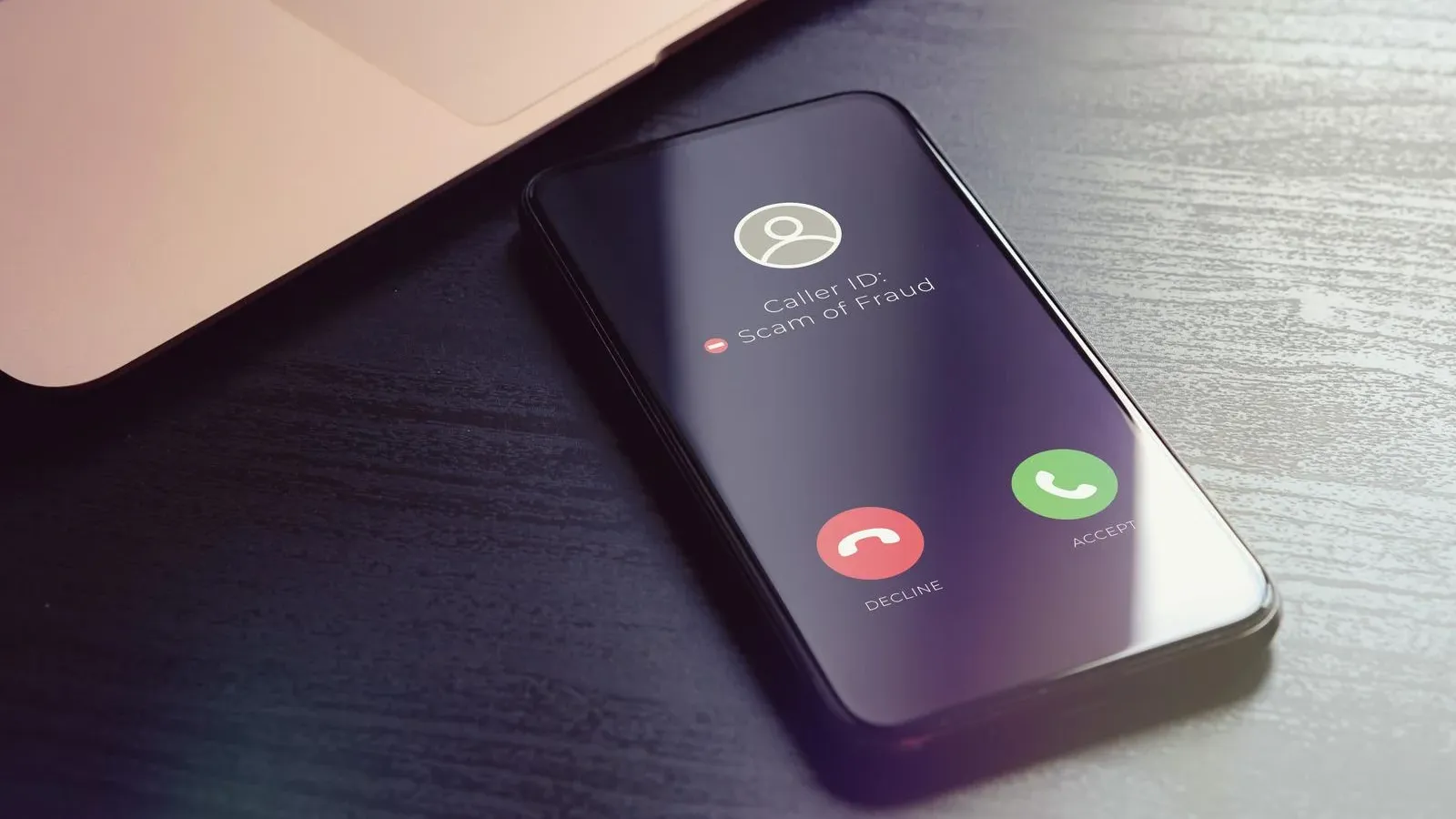
Because your phone number is more exposed than you think, and automated dialing systems are working around the clock to find it. According to the Ringing in Our Fears 2025 report by U.S. PIRG Education Fund, Americans received an average of 2.56 billion robocalls per month in 2025, up 20% from the previous year and the highest volume since 2019.
That number isn't just an abstract statistic. It means your phone is ringing with unwanted calls at a rate that's genuinely getting worse, not better. Missed calls from your doctor. Interrupted meetings. The creeping suspicion that answering an unknown number will pull you into a 45-second pitch for a car warranty you never owned. The frustration is real, and it's justified.
So why does it keep happening to you specifically? The answer usually comes down to a handful of predictable patterns, and once you understand them, you can actually do something about them. Here are the 7 most common reasons you're getting so many spam calls, and what each one means for your privacy.
Why Are You Getting So Many Spam Calls in the First Place?
Spam calls are driven by data exposure on your end and industrial-scale automation on theirs.
Modern robocall operations run sophisticated systems that can dial millions of numbers per day without human involvement. These systems pull phone numbers from purchased lists, scraped websites, breached databases, and yes, your own digital footprint. The moment your number lands on one of these lists, it gets recycled, resold, and re-targeted. That's why the volume tends to escalate over time rather than stabilize.
Seven specific factors put your number in harm's way.
Your Phone Number Is Publicly Available Online
If your number appears anywhere on the public internet, scrapers will find it. This includes social media bios, online marketplaces like Facebook Marketplace or Craigslist, forum profiles, comment sections, and business directories. Automated tools collect these numbers in bulk, often within hours of posting.
The tricky part is that people list their numbers for completely legitimate reasons: selling a bike, coordinating a community group, running a small business. But once that number is indexed, it's nearly impossible to fully retract. Even deleting the original post often doesn't remove cached or archived versions.
Practical rule: If you need to share your number publicly for a short-term purpose, consider using a secondary number or a dedicated spam-blocking app to keep your primary line protected.

You've Signed Up for Too Many Online Services
Every time you hand over your phone number to a website, you're potentially adding it to a data pipeline. Apps and services routinely share user data with third-party partners, often buried in terms and conditions that few people actually read.
The riskiest scenarios are giveaways, free trial sign-ups, discount code forms, and contest entries. These are often designed specifically to harvest contact data. The "prize" is the data collection. Your number gets bundled with demographic information and sold to marketing lists that get passed between companies for months or years.
This is one of the most common reasons people notice an uptick in many spam calls shortly after signing up for a new app or online promotion.
Data Brokers Are Selling Your Information
Data brokers are companies that collect, package, and resell personal information, including your phone number, to anyone willing to pay. Most people have never heard of them, but they've almost certainly heard of you.
These companies build detailed profiles by pulling from public records, social media, purchase histories, app permissions, and other sources. Your number gets resold across multiple platforms, each with its own downstream buyers. Some of those buyers are legitimate marketers. Others are outright scammers. According to the National Cybersecurity Alliance, data brokers have even been known to sell directly to fraudsters, a problem that has resulted in federal legal action against specific companies.
Here's how the landscape breaks down. Legitimate businesses usually share your number with internal marketing teams and CRM partners, and opting out is typically straightforward. Data brokers are far more aggressive — they sell your data to hundreds of third-party buyers, and while opt-out requests are technically possible, the process is lengthy and complicated. Scam networks hand your number directly to robocall operators and fraud rings, giving you essentially no control over how it's used. Data breach buyers are the worst case — your number ends up on dark web marketplaces with absolutely no way to remove it.
The challenge is that opting out of data brokers one by one would take hundreds of individual requests. The data tends to reappear within months anyway.
Your Number Was Exposed in a Data Breach
Breaches are one of the fastest ways for your number to end up in the wrong hands. When a company's database is compromised, millions of phone numbers get released at once, often alongside email addresses, passwords, and other personal details.
That stolen data doesn't disappear. It gets posted to dark web forums, sold in bulk to spam operators, and recycled across multiple campaigns for years. A breach from a retailer you used in 2021 could be driving calls to your phone right now. If you've noticed many spam calls appearing out of nowhere, checking whether your number was exposed in a known breach is a worthwhile first step.
You Answer Unknown Calls Frequently
This one is counterintuitive: answering spam calls actually leads to getting more of them. When you pick up, you confirm to the robocall system that your number is active and monitored. That signals a higher value for future targeting.
Some operations use "ping calls", calls that ring once and disconnect, specifically to identify numbers that call back. Others route answered calls to live agents who manually flag active numbers for follow-up. Either way, engagement is exactly what these systems are designed to trigger.
The smarter move: Let unknown numbers go to voicemail, or use real-time caller ID to screen before you answer. Apps like Sync.me identify who's calling before you pick up, so you don't have to guess.
You Reuse the Same Number Across Platforms
Using one phone number for every account: banking, social media, food delivery, retail loyalty programs, job boards, creates a cross-platform trail that's easier to connect and exploit.
Each platform has its own privacy policy, its own data-sharing practices, and its own security posture. When the same number appears across dozens of services, data brokers and tracking systems can build a more complete profile. That richer profile makes your number more valuable on the spam market, which means it gets sold more often.
Limiting how widely you distribute your primary number isn't about paranoia. It's about reducing the number of data pipelines your personal information flows through.

Your Number Is Being Randomly Dialed by Robocallers
Even if you've done everything right, automated systems can still reach you. Robocallers use sequential and randomized number generation to dial entire blocks of phone numbers without any prior data on who they're calling.
New numbers, private numbers, and numbers that have never appeared online are all reachable this way. It's the broadest and least targeted form of spam calling, and it's entirely outside your control to prevent at the source. What you can control is how those calls are handled when they arrive.
How Can You Reduce Getting So Many Spam Calls?
The most effective approach combines limiting your exposure with using detection tools that work in real time.
No single step eliminates many spam calls entirely. Prevention is ongoing rather than a one-time fix. But a few targeted changes make a meaningful difference:
- Don't answer unknown calls - let voicemail do the initial screening
- Audit which services hold your number - revoke access where you can
- Register with the National Do Not Call Registry - it won't stop scammers, but it reduces legitimate telemarketing calls
- Use caller ID and spam detection tools before answering any unfamiliar number
- Be selective about where you share your primary number - use alternate contact methods for low-trust situations
Why Reducing Spam Calls Starts With Awareness
You can't completely avoid spam calls. But you can significantly reduce them by understanding where they come from and adjusting a few key habits.
Three things drive the problem: how widely your data is distributed, how often you engage with unknown callers, and whether you have any protection in place at the moment a call arrives. Address all three, and the volume drops noticeably. Focus on just one, and you're still leaving gaps.
The most important mindset shift is treating your phone number like a password rather than a public identity. It's a piece of personal data that should be shared selectively, monitored for exposure, and protected with the right tools. Reacting passively to each call as it arrives is exhausting. Taking a few deliberate steps puts you back in control.
Ready to stop guessing who's calling?
Download Sync.me and get real-time caller ID, spam detection, and AI-powered number insights. Free on Android and iPhone.
Frequently Asked Questions
Why am I getting so many spam calls?
Your number has most likely been added to one or more automated dialing lists through data brokers, a past data breach, public exposure online, or by engaging with a past spam call. Once on a list, your number gets recycled and resold, which is why the volume tends to increase over time.
How do I stop getting so many spam calls?
Start by not answering unknown calls, which prevents your number from being flagged as active. Register with the National Do Not Call Registry, and use a caller ID app like Sync.me to screen calls before you pick up. For longer-term reduction, consider limiting where you share your primary number and checking whether it's appeared in any data breaches.
How many spam calls a day is normal?
There's no safe baseline; any spam call is unwanted, but context helps. According to Pew Research Center data cited in the U.S. PIRG 2025 report, about 31% of American adults receive at least one scam call per day. If you're receiving multiple calls daily, your number has likely been circulating across several lists.
Can spam calls hack your phone?
Simply receiving a call or letting it ring doesn't compromise your device. The risk comes from engaging: pressing keypad options, calling back, or sharing personal information during the call. Some sophisticated attacks attempt to exploit voicemail systems or use social engineering once you're on the line, but passive call receipt alone is generally not a threat.
Is it better to ignore or answer spam calls?
Ignore them. Answering confirms your number is active, which increases the likelihood of follow-up targeting. If you're concerned you might miss a real caller, use a caller ID app to identify unknown numbers before deciding whether to pick up. That way, you can screen without engaging with spam systems.
İlgili yazılar
How to Find the Owner of a Phone Number: 7 Proven Methods
Learn how to find the owner of a phone number using 7 proven, legal methods. Compare free and paid lookup tools to identify unknown callers safely.
Top 10 Ways to Check Online Phone Number
Learn effective ways to check online phone number sources and identify unknown callers. Protect yourself from scams and verify business contacts.