Why Your Phone Anxiety Feels Worse With Unknown Numbers
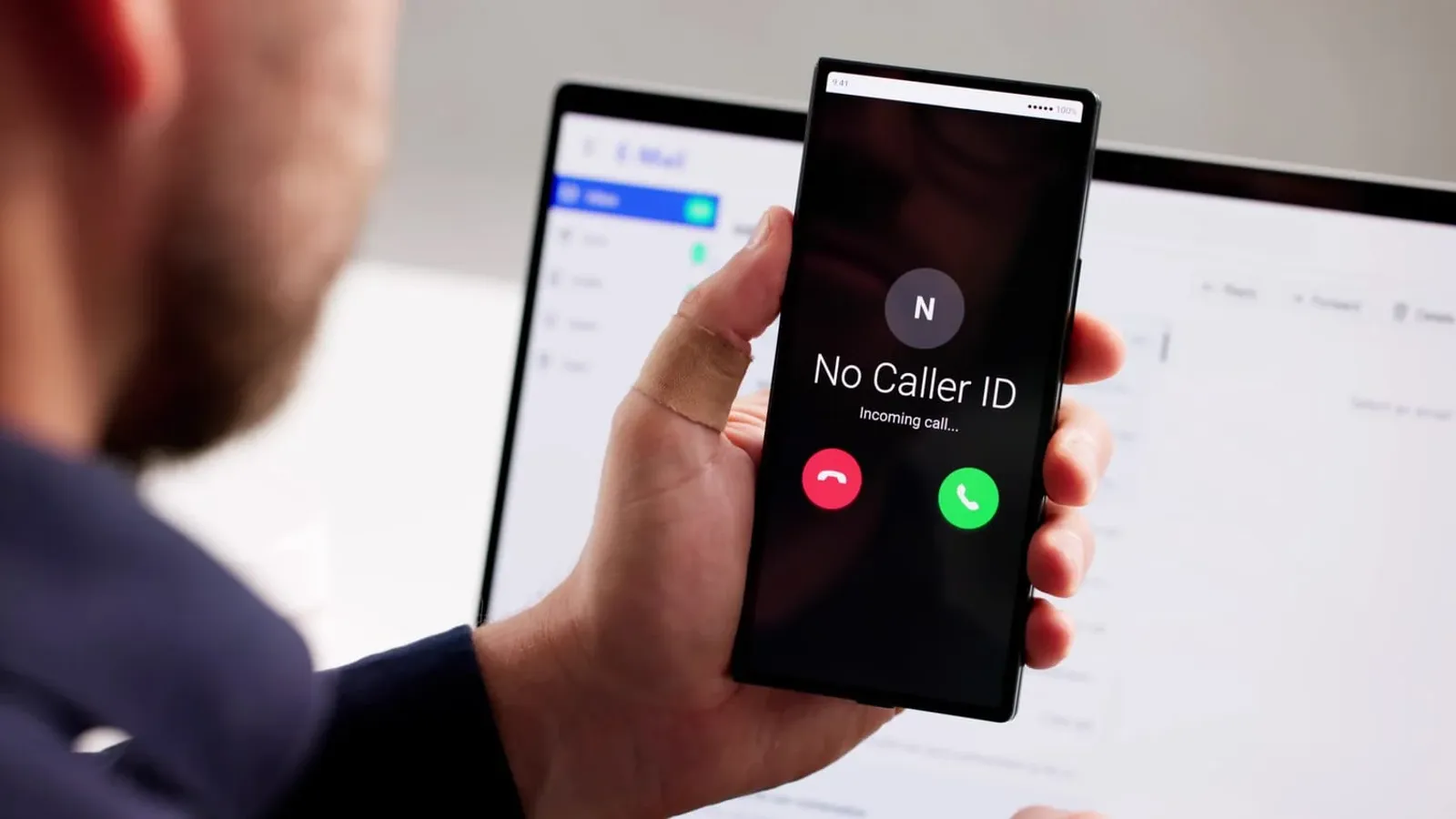
Some people ignore every unknown call without a second thought. Others feel a spike of stress the moment an unfamiliar number appears on screen, and a low hum of worry that lingers even after the call stops ringing. Both reactions come from the same place: uncertainty. And according to a 2024 survey by Uswitch, nearly one in four adults aged 18 to 34 has never answered a call to their mobile phone at all.
Phone anxiety is far more common than most people acknowledge. It is not always loud or obvious. Sometimes it is just a habit of letting calls go to voicemail, a tightening feeling when a number you don't recognize appears, or a creeping reluctance to call someone back. The experience is real, it is widespread, and it is increasingly shaped by the calls we never asked for: spam, scam attempts, robodialers, and unknown numbers that ring and disappear without explanation.
Understanding what is happening psychologically is the first step toward feeling less controlled by it.
What Is Phone Anxiety and Why Does It Happen?
Phone anxiety is discomfort or stress related to making or receiving phone calls. It is considered a form of social anxiety or communication apprehension, and it sits on a wide spectrum from mild hesitation to a genuine avoidance pattern that affects daily life.
Research published in PMC via the Journal of Family Medicine and Primary Care found that a 2019 survey of UK office workers showed 70% of millennials experience anxious thoughts when the phone rings, compared to 40% of baby boomers. The discomfort is widespread and growing.
What Makes Phone Calls Psychologically Different?
Unlike a text or email, a phone call arrives without warning and demands an immediate response. The psychological triggers behind anxiety of talking on the phone come down to four core factors:
- Unpredictability: calls interrupt without context or advance notice
- No visual cues: you can't read the other person's tone or body language
- Real-time pressure: you must respond immediately, with no ability to pause or edit
- Social performance: you're being heard and evaluated with no chance to revise
Phone calling anxiety tends to amplify when several of these stack together, and an unfamiliar number on the screen adds all of them at once.
Why Do Unknown Numbers Make Phone Anxiety Worse?
Unknown calls remove the one piece of information that makes a phone call manageable: context. You cannot prepare mentally for a caller you cannot identify. You don't know their intent, their tone, or what they want from you. That context gap significantly raises the perceived risk of picking up.

Known vs. Unknown: What Your Brain Is Actually Processing
When you see a known contact calling, your brain begins preparing before you answer. With an unknown number, none of that preparation is possible. The difference in experience is significant.
With a known caller, you already have context — the relationship, the likely reason for the call — and mental preparation begins before you even pick up. The perceived threat level is low, the decision is simple, and for most people the anxiety response is minimal. An unknown number flips every one of those factors. There's no context, no preparation, the threat level feels elevated, and the decision becomes complex: who is this, why are they calling, is it safe to answer? The result is a measurably higher anxiety response.
This is not just a feeling. A randomized experiment by AB Lab, involving 450 participants, found that people who imagined receiving a call from an unknown number reported meaningfully higher anxiety ratings than those imagining a call from someone they knew. The unknown label itself, independent of any actual interaction, was enough to elevate stress.
For people who already experience phone calling anxiety, that blank screen functions as a concentrated dose of the exact uncertainty that makes calls stressful in the first place.
How Do Spam Calls Increase Anxiety Around Phone Calls?
Repeated negative experiences train your brain to expect more negative experiences. When a significant portion of the unknown calls you receive turn out to be spam, robodialers, or scam attempts, your nervous system starts treating all unknown calls as threats by default.
How Spam Creates a Lasting Anxiety Pattern
This is a learned association rather than an irrational one. The cycle tends to build in a recognizable way:
- You answer an unknown call and encounter silence, a robotic pitch, or a pressure tactic
- The next unknown call triggers a stress response before you even pick up
- You begin avoiding all unknown calls, which temporarily relieves anxiety but reinforces avoidance
- The association between "unknown number" and "negative experience" becomes more entrenched over time
That anticipatory anxiety can persist even when the actual volume of spam calls decreases, because the association has already been established. With billions of robocalls placed each year and [common phone scams] becoming increasingly sophisticated, the phone call itself has become an ambiguous signal. Where it once reliably meant someone wanted to reach you, it now often signals something you want to avoid.

How Can You Reduce Phone Anxiety Around Unknown Calls?
Reduce uncertainty and build confidence through small, consistent habits. The goal is not to eliminate anxiety entirely but to remove enough of the unknown that each call feels more manageable.
The most effective approach addresses the core trigger: lack of context. When you can identify a caller before answering, or prepare yourself mentally before engaging, the spike of uncertainty shrinks significantly.
Step-by-Step: Simple Ways to Feel More in Control
- Let unknown calls go to voicemail. This is not avoidance; it is a practical filter. Legitimate callers leave messages. Robodialers and most scam operations do not. Checking a voicemail on your own terms gives you the context the call itself couldn't.
- Check the number before calling back. A quick search of an unknown number takes seconds. Knowing whether it belongs to a real business, has been flagged by other users, or is unverifiable changes the interaction from uncertain to informed.
- Prepare a simple response script. For people who experience phone calling anxiety, having a few default phrases ready reduces the pressure of real-time performance. Something as simple as "Can I ask who's calling?" or "I'll need to call you back" buys time without requiring improvisation.
- Limit exposure to unnecessary calls. The more you can redirect routine tasks to text, email, or app-based communication, the fewer low-value calls you receive. Fewer calls overall means fewer opportunities for the anxiety response to be triggered.
- Use caller ID tools to reduce uncertainty. Real-time caller identification removes the blank screen and replaces it with context: a business name, a spam flag, or a community-reported warning. Sync.me identifies callers using a database of over 5 billion phone numbers, so you can see who is calling before you decide whether to answer. That single piece of information is often enough to shift the experience from stressful to manageable.
These steps work because they target the mechanism behind phone anxiety: unpredictability. Each one restores a small amount of control before the interaction begins.
Why Understanding Phone Anxiety Helps You Regain Control
Phone anxiety most often comes from uncertainty, not from the call itself. The ringing phone is stressful because of what it might be, not because of what it is.
Once you reduce the unknowns, calls become more manageable. A number you can identify is not threatening. A voicemail you can listen to at your own pace is not demanding. A script you have practiced once or twice removes the fear of saying the wrong thing in real time. These are small changes, but they address the source of the anxiety rather than just suppressing the reaction to it.
The connection between spam calls and worsening phone anxiety is real and worth taking seriously. But the psychological side matters just as much. Fewer spam calls means fewer negative associations, which means a slightly less stressed response the next time an unknown number appears.
Small habits and awareness shift your reaction from stress to control. That shift does not happen all at once. But it does happen.
Take one thing off your plate
Download Sync.me free on Android or iPhone and know who is calling before you decide whether to answer.
Frequently Asked Questions
How do I get over phone anxiety?
The most effective approach is gradual exposure: starting with low-stakes calls and building up slowly. Practical tools like caller ID apps, voicemail screening, and a few prepared default phrases also reduce the unpredictability that drives the anxiety most.
What causes phone anxiety?
Phone anxiety is typically caused by unpredictability, lack of visual cues, and the pressure of real-time social performance with no ability to pause or edit. Past negative experiences, including repeated encounters with spam or aggressive callers, can reinforce the response over time.
Should I ignore calls if I have phone anxiety?
Letting calls go to voicemail is a practical management strategy, not unhealthy avoidance, as long as you follow up on messages that need a response. The goal is to reduce unpredictability, not eliminate all calls.
Can spam calls cause phone anxiety?
Yes. Repeated encounters with spam and scam calls train the brain to associate unknown numbers with negative outcomes, creating anticipatory anxiety before you even answer. Reducing spam call volume through caller ID and blocking tools helps break that association over time.
Why are unknown numbers more stressful than known ones?
Known callers give you context before you answer: a relationship and a likely reason for the call. Unknown numbers remove all of that, and research confirms the "unknown" label alone raises anxiety ratings even before any interaction takes place.
Похожие статьи
How to Find the Owner of a Phone Number: 7 Proven Methods
Learn how to find the owner of a phone number using 7 proven, legal methods. Compare free and paid lookup tools to identify unknown callers safely.
Top 10 Ways to Check Online Phone Number
Learn effective ways to check online phone number sources and identify unknown callers. Protect yourself from scams and verify business contacts.