Is It Legal to Record a Phone Call? Rules and Guidelines Explained
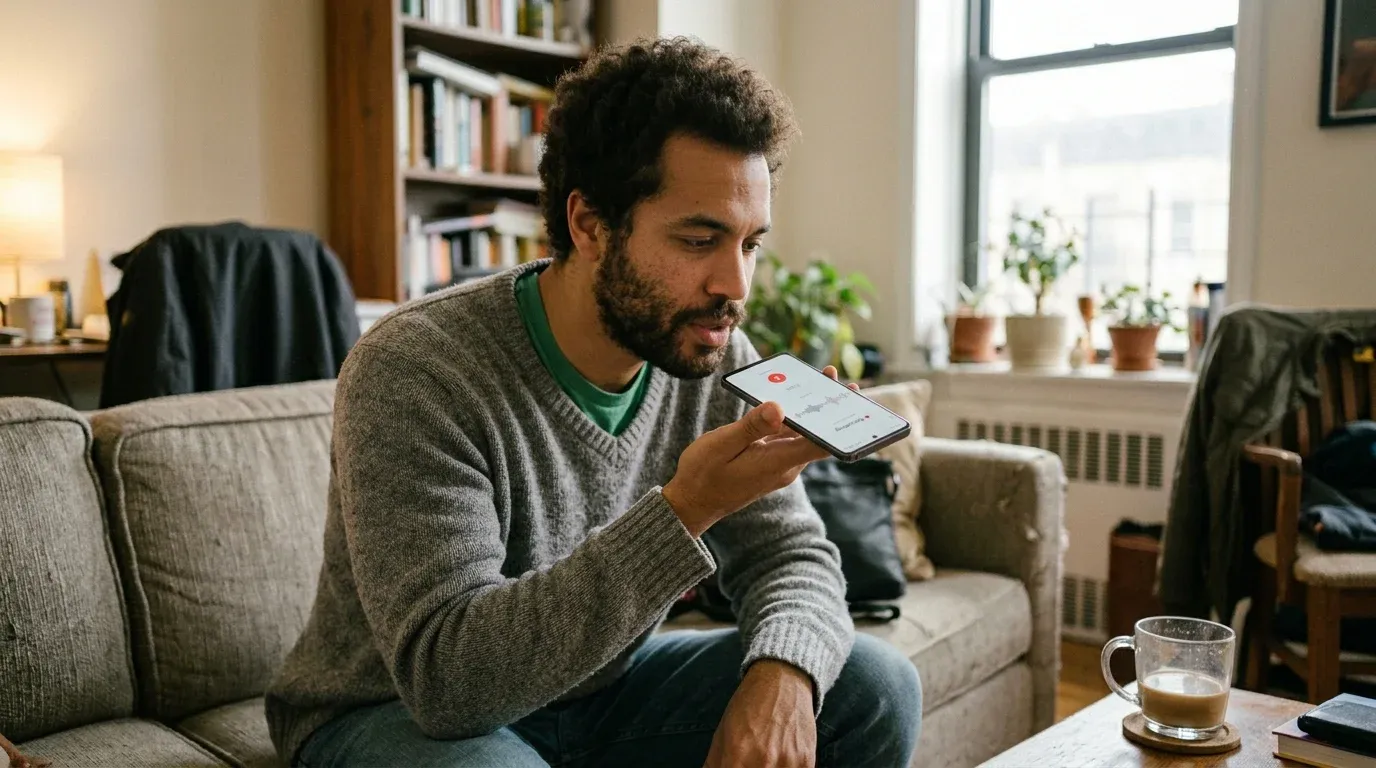
Recording phone calls can be useful in many situations, including business communication, interviews, and personal documentation. However, many users are unsure whether recording a call is allowed and what legal rules apply.
Understanding whether it is legal to record a phone call helps avoid potential legal issues and ensures that recordings are handled responsibly. Laws governing call recording vary depending on location, and in some cases, consent from one or all participants may be required.
This guide explains whether you can legally record a phone call, the different types of consent laws, and how to legally record a phone call while staying compliant with regulations.
Is It Legal to Record a Phone Call
The legality of recording a phone call depends on the laws in your country or region. In general, recording is allowed under certain conditions, especially when consent requirements are met.
In some places, recording a call is legal if at least one participant is aware of the recording. In others, all participants must give permission before recording begins.
Legal frameworks often define call recording rules under broader privacy and communication laws. For example, regulations such as those outlined in U.S. federal law explain when recording communications is permitted and when it may be restricted.
Because laws vary, it is important to understand local regulations before recording any conversation.
Types of Consent Laws
Call recording laws are generally based on consent requirements. These rules determine whether one or all participants must agree to the recording.
One-Party Consent
In one-party consent regions, only one participant in the conversation needs to be aware of the recording.
This means that if you are part of the call, you can legally record it without informing the other person, as long as you are not violating other laws.
One-party consent laws are common in many regions and allow individuals to record calls for personal or business use.
Two-Party Consent
Two-party consent (also known as all-party consent) requires that all participants in a conversation agree to the recording.
In these regions, users must inform others that the call is being recorded and receive their permission before proceeding.
Failure to obtain consent in these cases may result in legal consequences, including fines or penalties.

How to Legally Record a Phone Call
To ensure compliance with the law, users should follow a few important steps when recording calls.
- First, determine the consent requirements in your location. Understanding whether your region follows one-party or two-party consent laws is essential.
- Second, inform participants if required. Even in one-party consent regions, informing others can help avoid misunderstandings and maintain transparency.
- Third, use reliable tools to record calls properly. Tools such as call recording apps can help manage recordings and store them securely.
- Finally, store recordings responsibly and ensure they are only used for appropriate purposes.
When Call Recording Is Allowed
Call recording is generally allowed in a variety of scenarios, as long as legal requirements are followed.
Personal Use
Recording calls for personal use is often permitted, especially in one-party consent regions.
Examples include:
- Recording important conversations
- Documenting agreements
- Saving instructions or details
However, even for personal use, it is important to respect privacy and avoid misuse of recordings.
Business Use
Businesses frequently record calls for operational purposes such as customer support, training, and quality assurance.
In these cases, companies typically inform callers that the conversation may be recorded. This ensures compliance with consent laws and maintains transparency.
Business call recording often includes additional safeguards such as secure storage and restricted access to recordings.
Risks of Illegal Recording
Recording phone calls without proper consent can lead to serious consequences.
Potential risks include:
- Legal penalties or fines
- Civil lawsuits
- Loss of trust between parties
- Violations of privacy laws
An illegal recording may also result in recordings being unusable in legal or professional contexts.
Understanding and following legal requirements is essential to avoid these risks.

Best Practices for Recording Calls
Using responsible practices helps ensure that call recording remains legal and ethical.
Some best practices include:
- Always check local laws before recording
- Inform participants when required
- Use secure storage methods for recordings
- Avoid sharing recordings without permission
- Delete recordings that are no longer needed
Following these practices helps protect both the user and the participants involved in the conversation.
Understanding Legal Call Recording Rules
Understanding whether it is legal to record a phone call is essential for anyone using call recording tools. While recording can be useful, it must always be done within the boundaries of the law.
Consent laws play a central role in determining whether you can legally record a phone call. Knowing whether your region follows one-party or two-party consent rules is critical before recording any conversation.
By following legal guidelines, using proper tools, and respecting privacy, users can legally record a phone call while avoiding risks and ensuring responsible use of recorded conversations.
Похожие статьи
Incoming Call Recorder: Best Tools to Record Incoming Calls Easily
Explore how an incoming call recorder works, the best tools to record incoming voice calls, and how to use call recording safely and effectively.
How to Record a Call: A Complete Guide to Phone Call Recording
Learn how to record a call using built-in phone features, apps, and services. Understand legal rules and best practices for recording phone calls.
How to Get Caller ID: Identify Unknown Numbers on Your Phone
Learn how to get caller ID, identify unknown callers, and improve caller identification using phone settings, apps, and lookup tools.